CSIRO's Dung Beetle Introduction: A Solution to Invasive Species Problems?
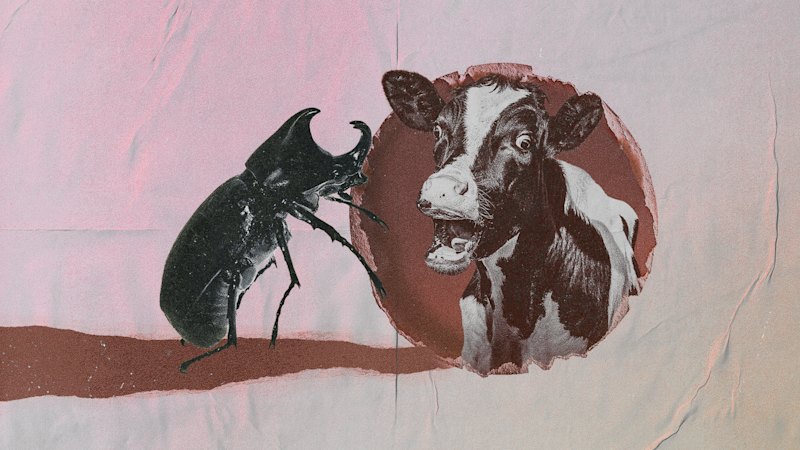
The introduction of invasive species often leads to disastrous outcomes, posing significant challenges to ecosystems. However, the CSIRO has recently introduced three new species, notably the dung beetle, which has demonstrated a remarkable ability to reverse negative impacts. This initiative aims to address existing environmental issues caused by other invasive species. The dung beetle, in particular, has proven to be a valuable tool in managing ecological imbalances. Its introduction represents a strategic effort to mitigate the damage caused by less beneficial invasive organisms. The CSIRO's approach highlights a proactive strategy in environmental management, utilizing biological solutions to tackle complex ecological problems. This move is expected to have long-term benefits for Australia's biodiversity and agricultural sectors.
The CSIRO's introduction of new species, particularly the dung beetle, presents a complex ecological management strategy. While biological control agents can offer effective solutions to existing invasive species problems, they also carry inherent risks of becoming invasive themselves. This initiative requires rigorous long-term monitoring to ensure the introduced species remain beneficial and do not disrupt native biodiversity or agricultural systems. The decision-making process likely involves balancing the immediate benefits of pest control against potential future ecological consequences, a common challenge in conservation biology and environmental policy. Future strategies may need to incorporate more advanced predictive modeling and adaptive management frameworks to mitigate unforeseen impacts in an increasingly interconnected global ecosystem.
AI-generated to prompt reflection — not editorial opinion, not advice, not a statement of fact. How this works.