CSU Ex-Leader Huber Calls for Broader Party Positioning
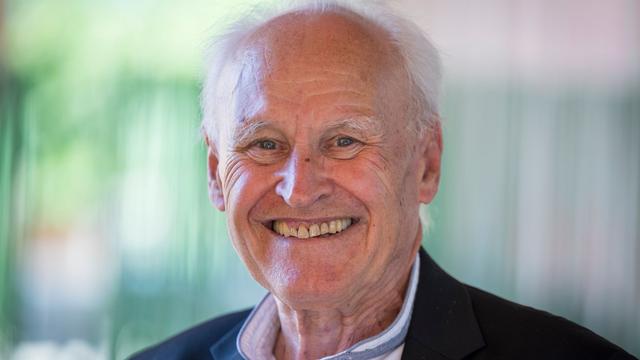
Former CSU party leader, Theo Huber, has advocated for a broader positioning of the Christian Social Union (CSU). Huber believes the party needs to appeal to a wider range of voters to remain relevant and competitive in the political landscape. His call suggests a strategic re-evaluation of the CSU's current platform and messaging. The aim is to ensure the party can address the diverse needs and concerns of the electorate more effectively. This initiative comes at a time when political parties are constantly adapting to shifting demographics and voter preferences. Huber's proposal implies a need for the CSU to potentially explore new policy areas or refine its existing ones to attract a more varied supporter base. The ultimate goal is to strengthen the party's electoral prospects by becoming more inclusive and representative of a larger segment of society. This strategic adjustment could involve changes in communication, policy development, and outreach efforts.
Theo Huber's call for the CSU to adopt a broader positioning reflects a common challenge faced by established political parties in evolving democracies. As societal demographics shift and voter priorities diversify, parties must continually assess their appeal to avoid becoming niche or outdated. The incentive structure for political parties often pushes them towards consolidating their base, but long-term electoral viability may necessitate reaching beyond traditional supporters. This strategic tension between base mobilization and broader appeal is a recurring theme in political science. The CSU, like many center-right parties in Europe, faces the challenge of balancing conservative principles with the need to attract younger, more urban, or more socially liberal voters. Future success will likely depend on the party's ability to articulate a vision that resonates across different segments of society without alienating its core constituency, navigating the complex dynamics of identity politics and economic policy in the coming decade.
AI-generated to prompt reflection — not editorial opinion, not advice, not a statement of fact. How this works.