CSU Leader Söder Opposes Partial Ban Proceedings Against AfD
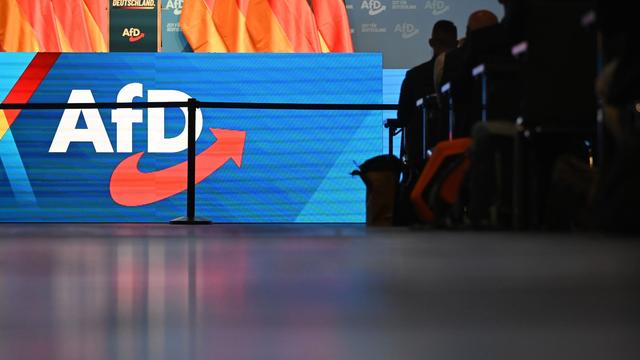
Markus Söder, the leader of the Christian Social Union (CSU), has cautioned his party colleagues against pursuing partial ban proceedings against the Alternative for Germany (AfD) party. Söder expressed his reservations, suggesting that such a move could be counterproductive and potentially strengthen the AfD. He indicated that a full ban would be the only legally viable option, but even that faces significant hurdles. Instead, Söder advocates for a focus on political debate and highlighting the AfD's policy shortcomings. He believes that directly confronting the AfD's ideology and proposals in the public sphere is a more effective strategy than attempting legal restrictions. This stance suggests a strategic divergence within the CSU regarding how best to counter the rise of the far-right party. Söder's comments imply a preference for political competition over legal challenges as the primary means of addressing the AfD's influence.
The debate surrounding potential legal actions against political parties like the AfD highlights the complex interplay between democratic principles, freedom of speech, and national security concerns. While legal mechanisms exist to address extremist threats, their application is often fraught with challenges regarding evidence thresholds and the potential for unintended consequences, such as galvanizing the targeted group. Political actors must weigh the efficacy of legal remedies against the strategic advantages of robust public discourse and policy competition. Focusing on policy debates and ideological scrutiny may offer a more sustainable approach to safeguarding democratic norms by empowering voters with information and fostering critical engagement, rather than relying solely on restrictive measures that could be perceived as politically motivated.
AI-generated to prompt reflection — not editorial opinion, not advice, not a statement of fact. How this works.