Cuba Faces Population Decline as 250,000 Emigrate in One Year
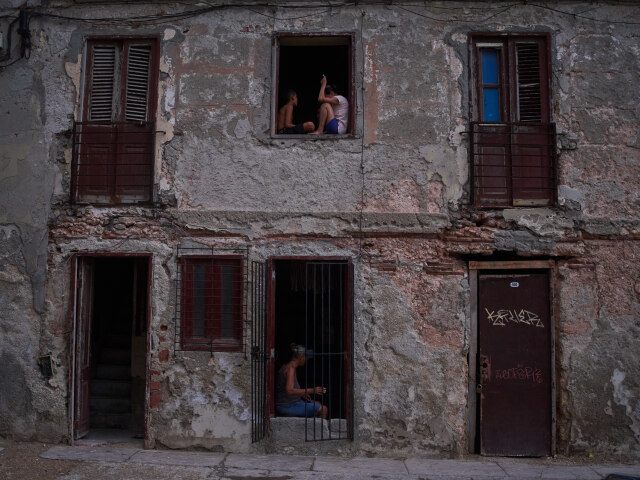
Cuba experienced a significant population decrease in the past year, with over 250,000 residents leaving the island. This emigration contributed substantially to the overall decline in the country's population. The figures were released by the National Office of Statistics and Information (Onei), according to reports from EFE and AFP. The data highlights a critical demographic challenge for the nation. The rate of births in Cuba is also reported to be alarmingly low, further exacerbating the population loss. This dual pressure of high emigration and low birth rates poses a serious long-term threat to Cuba's social and economic stability. The government faces the complex task of addressing these demographic trends to ensure the country's future viability. The scale of emigration suggests deep-seated issues driving citizens to seek opportunities elsewhere. The low birth rate indicates potential future labor shortages and an aging population.
The substantial emigration from Cuba, exceeding a quarter-million people in a single year, coupled with a critically low birth rate, signals a profound demographic crisis. This trend suggests that current economic and social conditions are insufficient to retain the population, driving a significant outflow. The long-term implications include a shrinking workforce, an increasing dependency ratio, and potential strain on social services. Addressing this requires systemic reforms that foster economic opportunity and improve living standards to incentivize residents to stay and encourage new families. The challenge lies in balancing immediate needs with sustainable, long-term strategies for population stabilization and growth in the coming decade.
AI-generated to prompt reflection — not editorial opinion, not advice, not a statement of fact. How this works.