Cuba Faces Third Nationwide Blackout This Year Amid Fuel Shortages
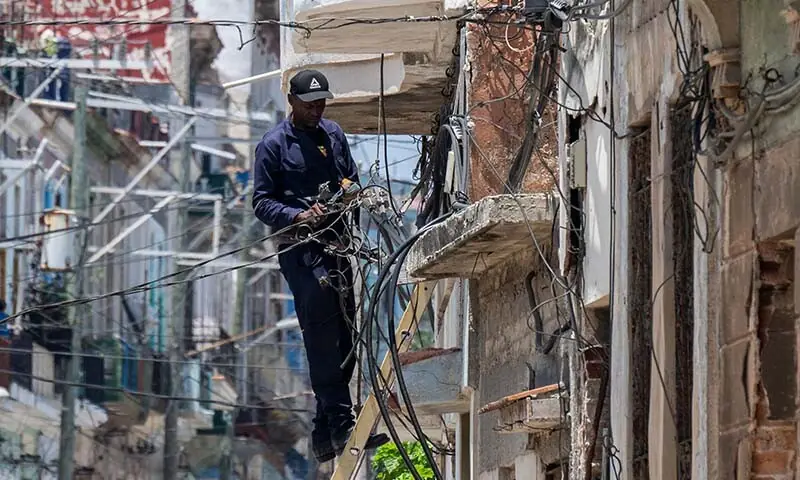
Cuba experienced its third nationwide power outage since the beginning of the year on Monday, according to the state electricity company, UNE. This latest blackout, the eighth since late 2024, highlights the severe energy crisis plaguing the island of 9.6 million people. The situation has been exacerbated by former US President Donald Trump's oil blockade, imposed in January, which has significantly depleted fuel supplies for Cuba's power plants. UNE stated on X that there was a "total disconnection from the national electricity generation system" and investigations into the causes were underway.
These widespread outages come as the Cuban government implements increasingly severe power cuts, some lasting over 24 hours in Havana and more than 70 hours in rural areas, in a desperate effort to conserve dwindling fuel. The island's electricity infrastructure, largely composed of aging Soviet-era plants, has been in disrepair for years, but the pace of blackouts has accelerated since the US fuel blockade began. Authorities consistently cite a lack of fuel as the reason for the grid's instability. Since January, only one Russian oil tanker has been permitted to dock in Cuba, and along with other sanctions, these measures have pushed the country closer to economic collapse, leading to shortages of essential goods like food, water, and medicine, prompting UN warnings of a humanitarian emergency.
While the government has invested in solar energy, which now accounts for 10 percent of the energy mix, it has not been enough to alleviate the chronic electricity shortages. Previous nationwide blackouts, such as one in March affecting Havana and extending from Camaguey to Pinar del Rio, have seen recovery protocols activated while thermoelectric plants were reportedly online.
The recurring nationwide blackouts in Cuba underscore the profound vulnerability of a nation's infrastructure when heavily reliant on external fuel sources and subject to geopolitical pressures. The current crisis, exacerbated by US sanctions and an aging power grid, reveals a systemic challenge in energy security and economic resilience. While Cuba's investment in solar energy represents a forward-looking strategy, its current scale is insufficient to offset the immediate fuel deficit. This situation prompts consideration of diversified energy strategies and robust domestic resource management to mitigate the impact of external blockades and ensure essential services for the population. The long-term sustainability of Cuba's energy sector hinges on balancing immediate needs with strategic investments in renewable and domestically sourced power generation, alongside efforts to modernize its aging infrastructure.
AI-generated to prompt reflection — not editorial opinion, not advice, not a statement of fact. How this works.