Cuba Faces Total Blackout Amid Communication Disruptions and Official Information Gaps
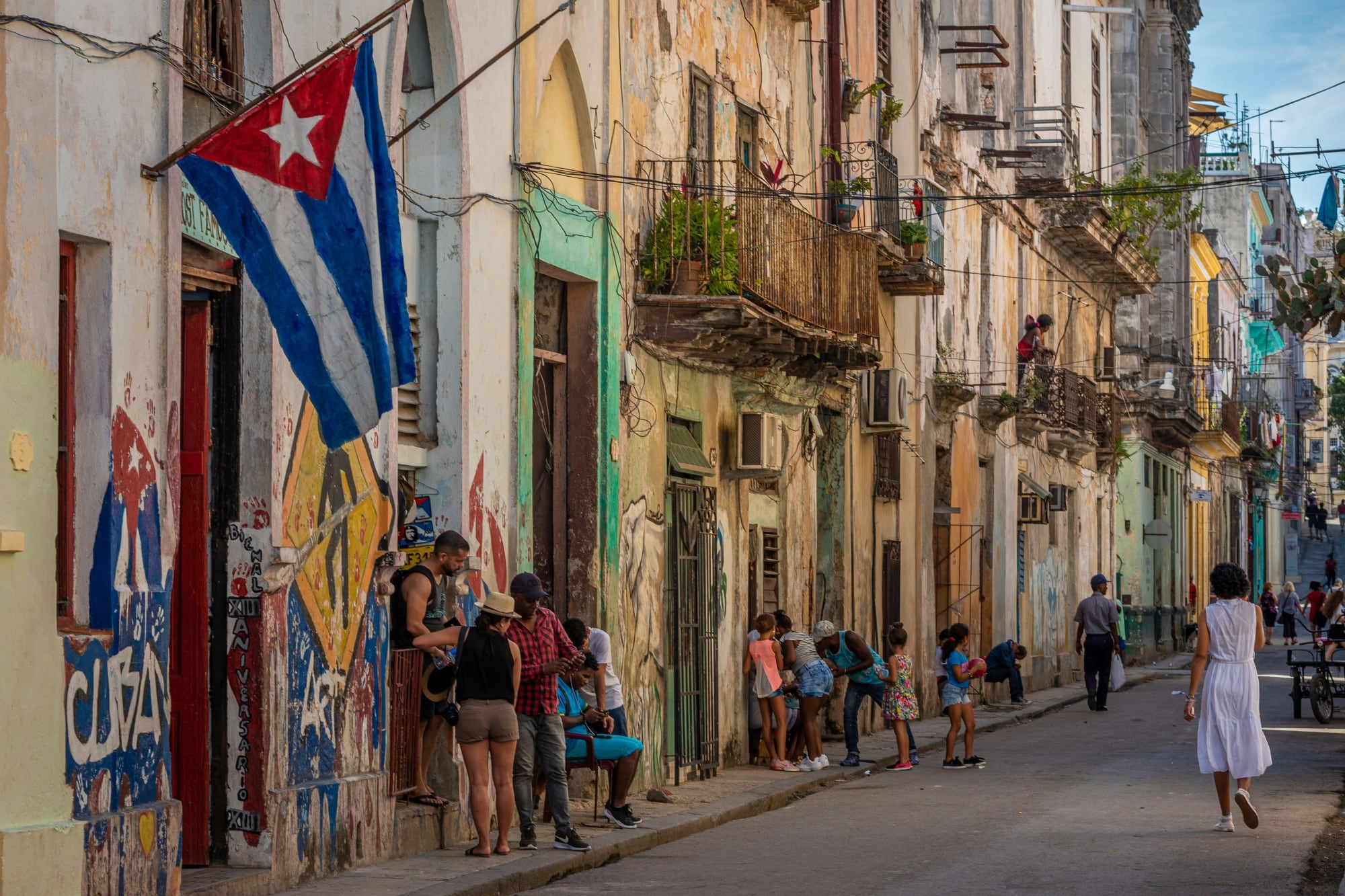
Cuba is experiencing a complete power outage, leading to significant disruptions in communication and a lack of official information. The United States has issued warnings regarding these communication failures. The situation highlights ongoing challenges in the island nation's electrical recovery efforts, as power failures continue to persist. This widespread blackout affects daily life and critical infrastructure across the country. The lack of reliable information is exacerbating concerns among the population and international observers. Efforts to restore electricity are ongoing, but the extent and timeline for full recovery remain uncertain. The interconnectedness of power and communication systems means that the prolonged outage has a cascading effect on various sectors. The government's ability to provide timely and accurate updates is crucial during this crisis. The international community is closely monitoring the situation and its implications for the Cuban people.
The total blackout in Cuba, coupled with communication failures and an information deficit, presents a critical test of national infrastructure resilience and governmental transparency. The reliance on a centralized power grid, susceptible to widespread failure, underscores the need for diversified and robust energy solutions. The communication blackout limits the flow of vital information, hindering emergency response and public awareness, and potentially creating an environment where official narratives are amplified without immediate public verification. This event prompts reflection on the long-term implications of infrastructure vulnerability in the digital age, where connectivity is increasingly essential for societal function and individual safety. Future strategies should prioritize decentralized energy systems and redundant communication networks to mitigate the impact of such catastrophic failures and ensure information accessibility.
AI-generated to prompt reflection — not editorial opinion, not advice, not a statement of fact. How this works.