Cuba Plunged into Darkness After Power Grid Collapse
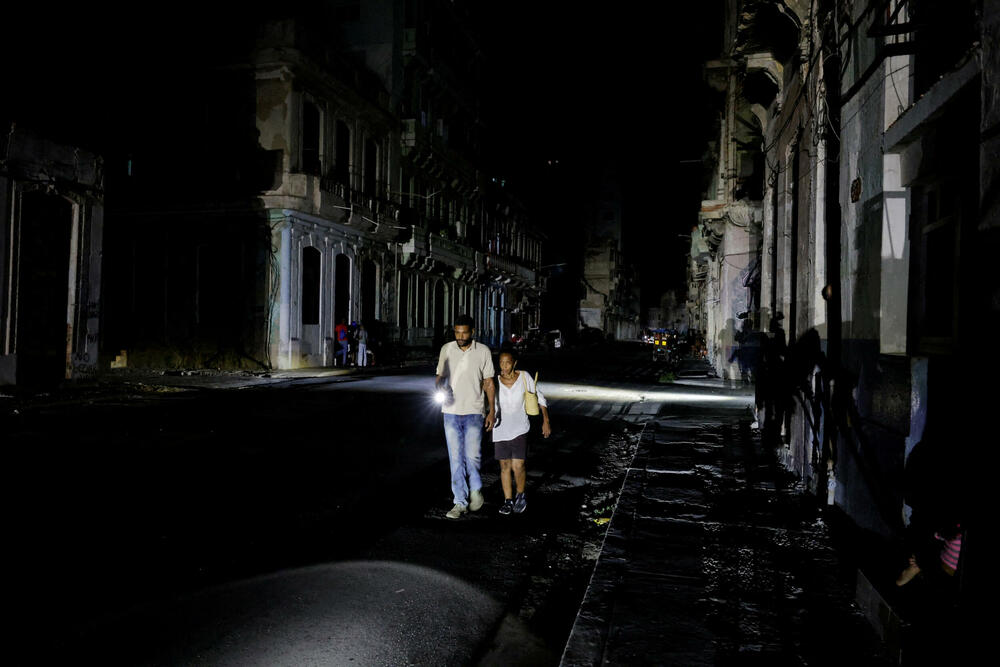
Cuba is experiencing a widespread blackout following the collapse of its national power grid. The energy crisis is occurring as the island nation cautiously opens its highly controlled energy sector. This situation has been exacerbated by fuel shortages and the impact of stringent U.S. sanctions. The government's efforts to modernize and diversify its energy sources are being severely tested by these compounding challenges. The collapse highlights the fragility of Cuba's energy infrastructure and its vulnerability to external economic pressures and internal resource constraints. Residents are facing significant disruptions to daily life due to the prolonged power outages. The long-term implications for Cuba's economy and social stability remain a significant concern as the country grapples with this severe energy deficit. The government's response and its ability to secure necessary resources will be critical in navigating this crisis.
The power grid collapse in Cuba, occurring amidst cautious energy sector liberalization and exacerbated by fuel shortages and U.S. sanctions, underscores the systemic vulnerabilities inherent in economies heavily reliant on external inputs and subject to geopolitical pressures. The situation presents a complex interplay between domestic governance, international trade dynamics, and resource management. The imperative to balance energy security with economic reform in a constrained environment is a significant challenge. Looking ahead, Cuba's energy future will likely depend on its capacity to attract investment, diversify its energy mix away from fossil fuels, and navigate the evolving landscape of international relations, all while managing internal resource limitations.
AI-generated to prompt reflection — not editorial opinion, not advice, not a statement of fact. How this works.
