Cuba's Deputy PM: US Underestimates Resilience to Sanctions
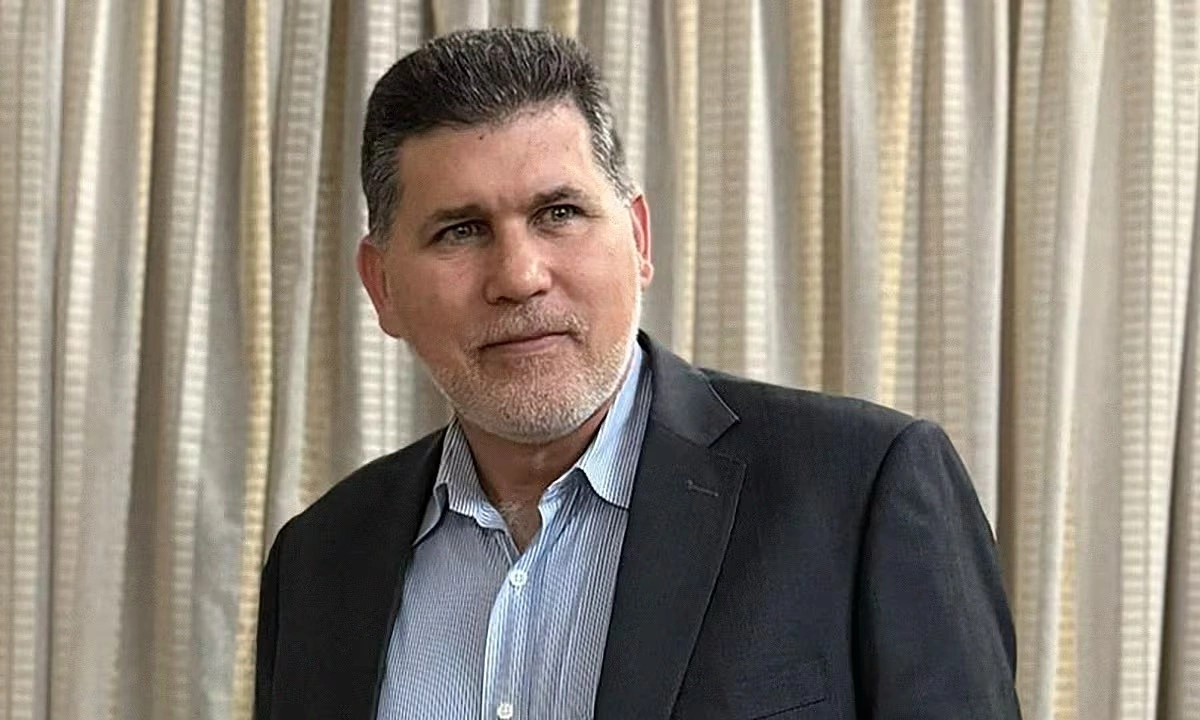
Cuba's Deputy Prime Minister, Oscar Perez-Oliva, stated that the United States government has underestimated Havana's capacity to withstand the pressure of sanctions. He asserted that the US has not fully grasped the resilience of the Cuban people and their government in the face of ongoing economic restrictions. The statement highlights a perceived disconnect between the US assessment of Cuba's vulnerability and the reality on the ground. Perez-Oliva's remarks suggest that Cuba has developed significant coping mechanisms and a strong will to resist the impact of the US embargo. This perspective implies that the sanctions may not be achieving their intended effect of destabilizing the Cuban government. The Deputy Prime Minister's comments underscore the long-standing tension between the two nations regarding US policy towards Cuba. The Cuban government consistently frames the US sanctions as a primary obstacle to its development and well-being. This latest statement reinforces that narrative, emphasizing Cuba's determination to persevere.
The assertion by Cuba's Deputy Prime Minister suggests a strategic communication effort to counter the narrative of Cuban economic fragility often presented by external observers. By emphasizing resilience, Havana aims to bolster domestic morale and international perception, potentially seeking to mitigate the impact of US sanctions. This framing frames the ongoing US embargo not as an insurmountable barrier, but as a challenge that Cuba has demonstrably overcome through internal fortitude and adaptive strategies. The effectiveness of such resilience in the long term, particularly in the face of evolving global economic dynamics and technological advancements, remains a critical question for Cuba's future development trajectory over the next decade.
AI-generated to prompt reflection — not editorial opinion, not advice, not a statement of fact. How this works.