Cuba's Energy Crisis Deepens, Plunging Population into Darkness
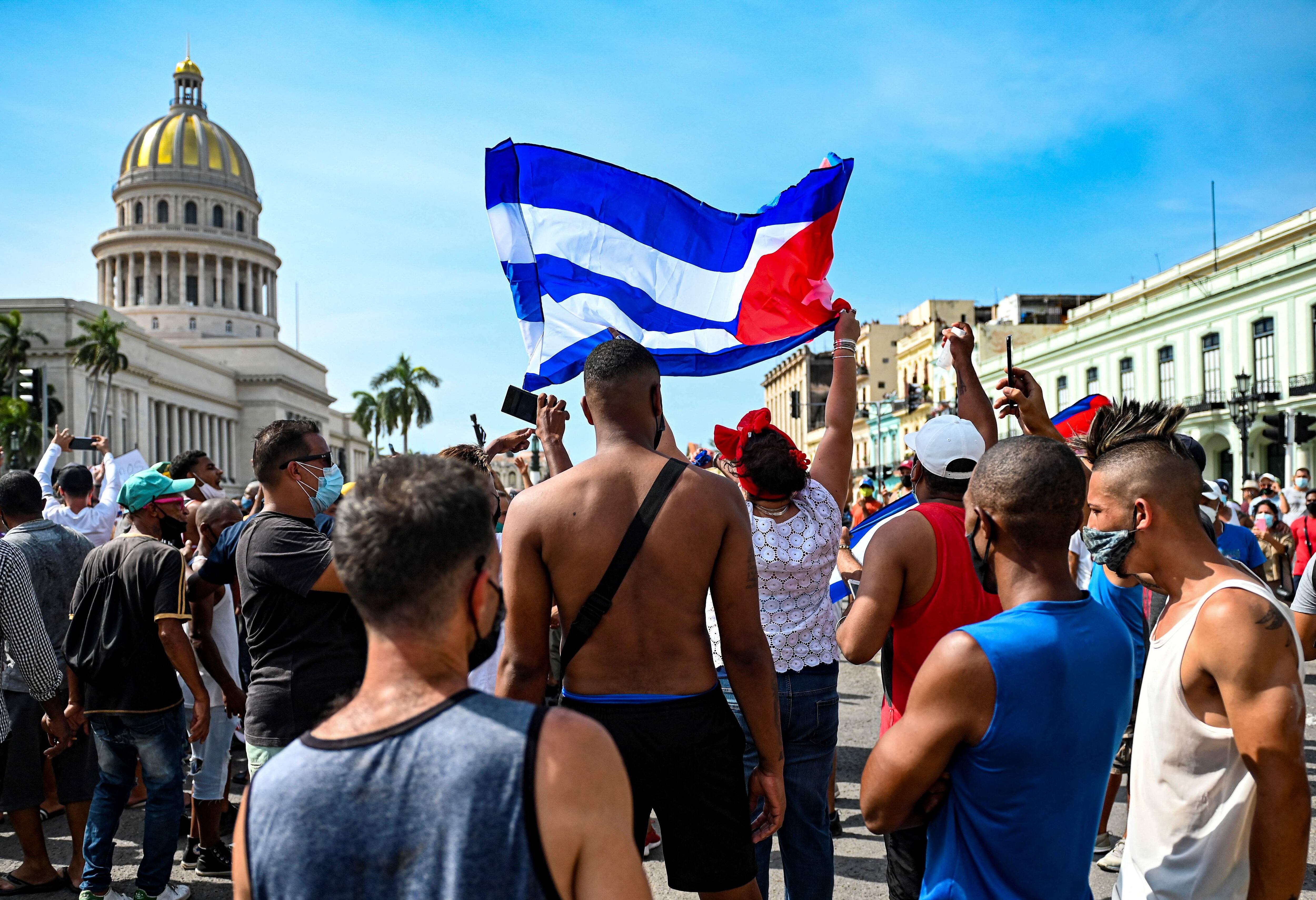
Five years after significant protests against the Cuban regime, the island nation is once again facing a severe energy crisis. This situation has plunged the population into widespread darkness, exacerbating existing hardships. The crisis has been particularly intensified following the political and economic downturn in Venezuela under Nicolás Maduro's leadership. Venezuela has historically been a crucial energy supplier for Cuba, and its diminished capacity has directly impacted the island's power generation. The recurring blackouts are a stark reminder of Cuba's ongoing economic vulnerabilities and its dependence on external support for essential resources. The population continues to bear the brunt of these systemic issues, facing daily disruptions to their lives and livelihoods. The government's ability to resolve this persistent energy deficit remains a significant challenge, impacting social stability and economic development.
The recurring energy crisis in Cuba, exacerbated by external geopolitical shifts like Venezuela's instability, highlights the systemic challenges of an economy heavily reliant on state control and external aid. The government faces a critical juncture where its economic model's sustainability is tested by its inability to ensure basic services like consistent electricity. This situation presents a trade-off between maintaining ideological rigidity and addressing the immediate needs of its population, which are essential for long-term stability. Looking ahead, Cuba's energy future will likely depend on its capacity to diversify its energy sources, attract foreign investment under new frameworks, or implement market-oriented reforms that can foster domestic production and resilience against global commodity price fluctuations and political alliances.
AI-generated to prompt reflection — not editorial opinion, not advice, not a statement of fact. How this works.