Cuba's President Accuses US of 'Political Genocide' Amidst Sanctions
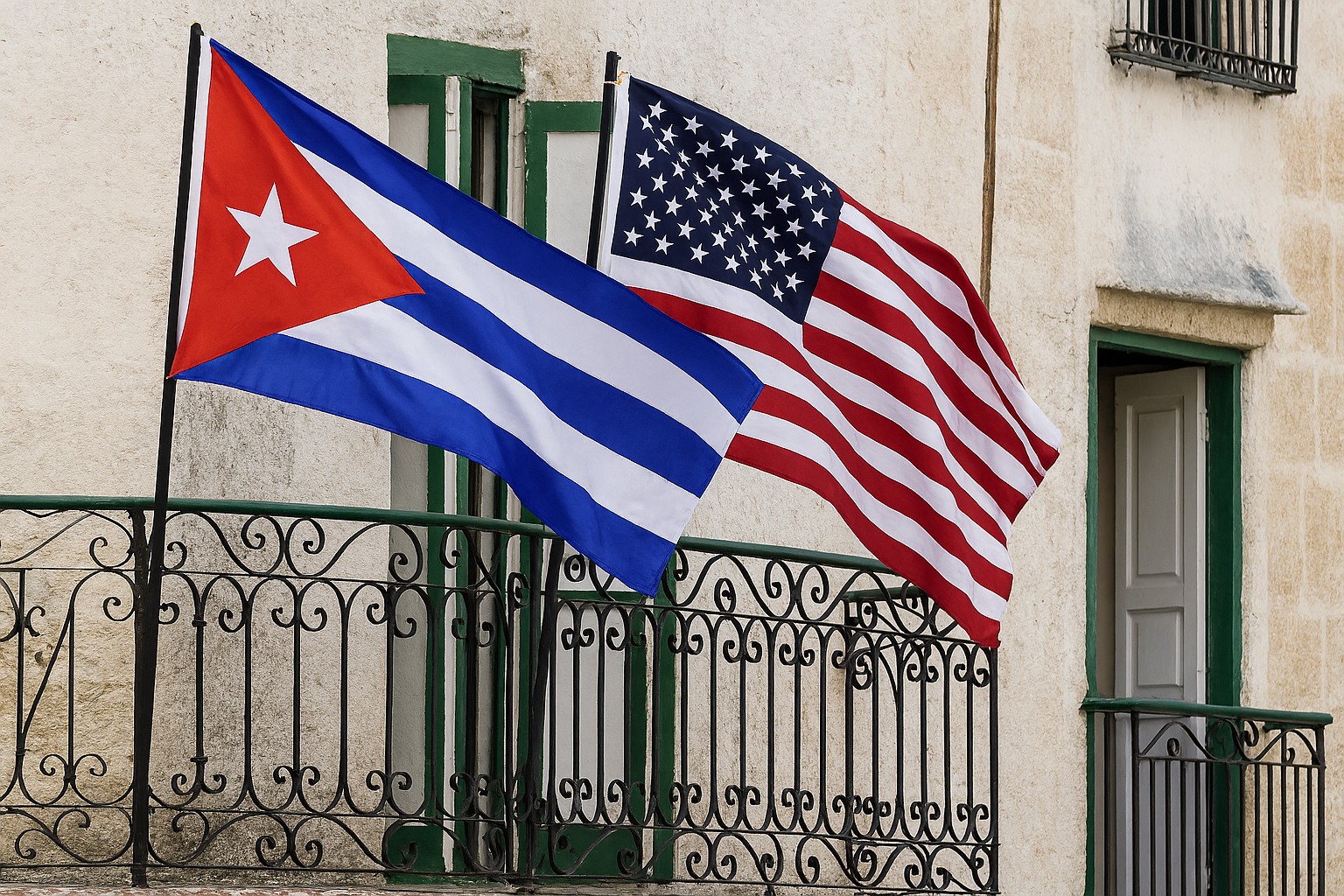
Cuban President Miguel Díaz-Canel delivered a strong condemnation of the U.S. oil embargo and escalating sanctions, labeling the Trump administration's policies as "political genocide." Speaking on Sunday, January 26th, Díaz-Canel criticized a recent U.S. State Department report that accused Cuba of infiltrating the U.S. government and supporting left-wing terrorism within the United States. The Cuban president argued that these accusations serve as a scapegoat for domestic economic issues in the U.S., where wealth inequality is widening.
The speech highlighted rising tensions between Havana and Washington, as the intensified U.S. embargo and sanctions have exacerbated Cuba's worst economic crisis in decades. This has led to widespread rolling blackouts and fuel shortages across the island, paralyzing public transportation and shortening the academic year. International companies, particularly in tourism and finance, have ceased operations in Cuba due to the economic downturn. Díaz-Canel's remarks were part of the government's commemoration of the 73rd anniversary of Fidel Castro's 1953 guerrilla offensive against the U.S.-backed Batista regime.
Díaz-Canel called for an end to the sanctions and the oil blockade, expressing gratitude for international humanitarian aid. He asserted that Cuba poses no threat to the United States or any other nation and wished peace for the American people, acknowledging those who historically advocate for human rights globally, often at personal risk. The U.S., conversely, attributes Cuba's economic woes to mismanagement and a lack of investment.
The Cuban president's strong rhetoric frames the U.S. oil embargo and sanctions as 'political genocide,' a severe accusation intended to galvanize domestic support and international sympathy. This framing strategically positions Cuba as a victim of external aggression, diverting attention from internal governance and economic management challenges that also contribute to the island's severe economic crisis, including rolling blackouts and fuel shortages. The U.S. State Department's counter-accusations of Cuban infiltration and support for left-wing terrorism appear to serve as justification for its own punitive measures, potentially reflecting a broader geopolitical strategy rather than solely addressing specific security concerns. This dynamic of reciprocal accusations and escalating economic pressure highlights a persistent systemic conflict, where national security narratives and economic leverage are employed by both sides, impacting the daily lives of Cuban citizens and international business operations. The long-term implications involve a continued cycle of economic hardship for Cuba, potentially fostering greater internal dissent or reliance on alternative international partnerships, while the U.S. faces criticism for policies that may disproportionately affect civilian populations.
AI-generated to prompt reflection — not editorial opinion, not advice, not a statement of fact. How this works.