Cuba Unveils Economic Reforms Amidst US Pressure
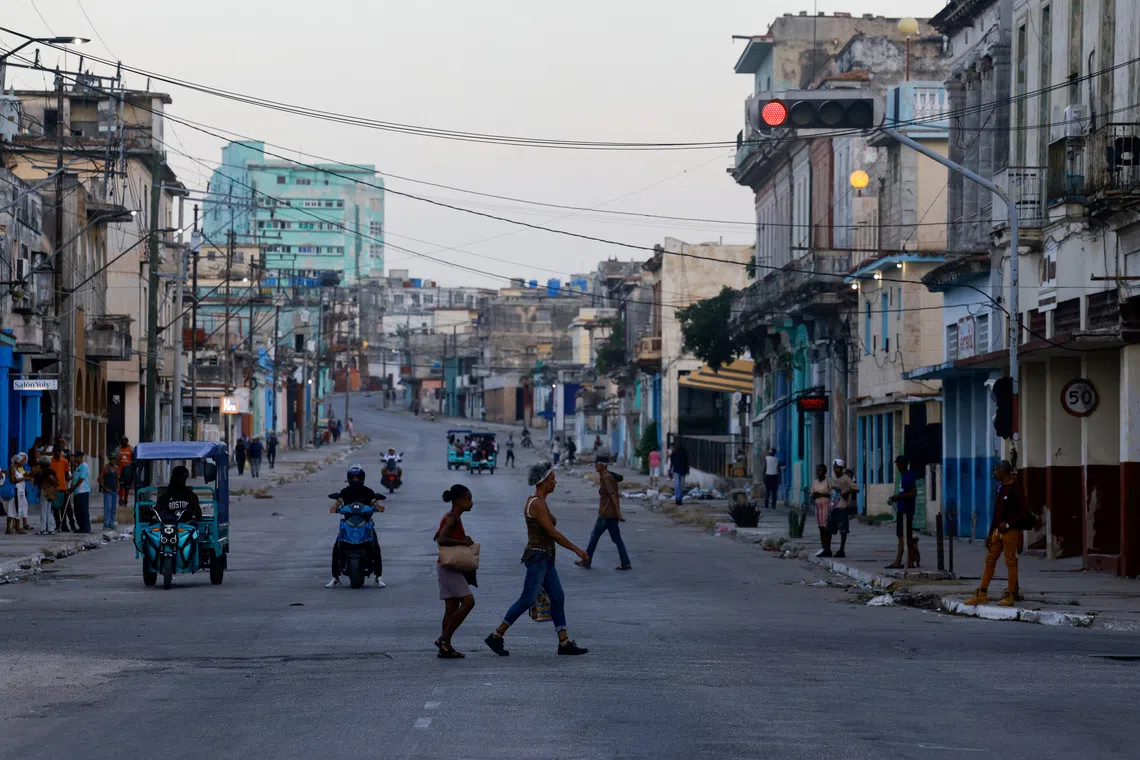
Cuba has announced new details regarding its strategy to open up crucial sectors of its state-controlled economy to private enterprise. This move comes as the United States continues its "maximum pressure" campaign, which aims to compel an economic transformation on the communist-governed island. The specific sectors targeted for this economic overhaul were not detailed in the initial announcement. However, the government's intention is to introduce market-oriented reforms to stimulate growth and potentially alleviate economic challenges. This policy shift represents a significant departure from Cuba's traditional socialist economic model. The US pressure campaign has intensified in recent years, impacting various aspects of the Cuban economy. The effectiveness of these reforms in the face of external economic sanctions remains to be seen. Further details on the implementation and scope of these private sector inclusions are expected.
Cuba's decision to introduce private sector participation into state-controlled industries, while framed as a response to US pressure, reflects a broader global trend of economic liberalization. This policy adjustment may aim to enhance efficiency and attract investment by leveraging market mechanisms. However, the success of such reforms will likely depend on the government's ability to balance private sector growth with its overarching socialist objectives and navigate the ongoing geopolitical pressures. The long-term implications for Cuba's economic structure and its relationship with the international community will be shaped by how effectively these reforms are implemented and adapted to evolving domestic and external conditions.
AI-generated to prompt reflection — not editorial opinion, not advice, not a statement of fact. How this works.