Cuban artist Luis Manuel Otero Alcántara arrives in the US under humanitarian parole
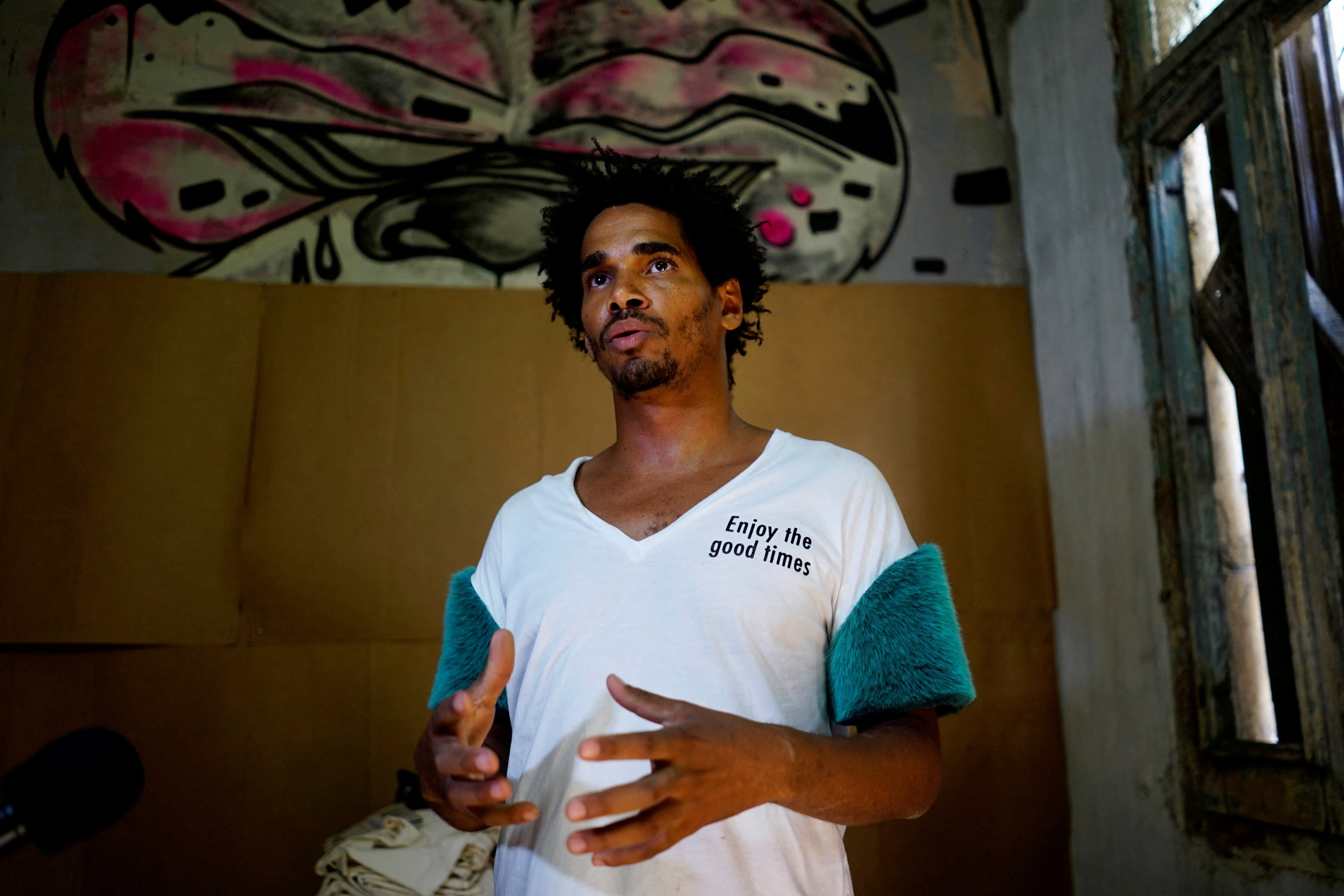
Cuban artist and leader of the San Isidro Movement, Luis Manuel Otero Alcántara, has arrived in Miami, Florida, after being granted humanitarian parole by the United States. His arrival in the U.S. comes after he was reportedly exiled from Cuba, a situation that has been used by the Cuban government as a condition for releasing political dissidents. Otero Alcántara's case highlights concerns about the Cuban government's practice of using exile as a means to silence opposition figures. The artist's journey to the United States underscores the ongoing human rights issues and political repression faced by artists and activists in Cuba. His departure is seen by many as a significant loss for the Cuban art scene and a blow to the burgeoning pro-democracy movement within the country. The San Isidro Movement has been a prominent voice in advocating for freedom of expression and human rights in Cuba. Otero Alcántara's situation has drawn international attention and condemnation of the Cuban government's policies. His arrival in the U.S. marks a new chapter for the artist, though one tinged with the circumstances of his departure.
The reported exile of Cuban artist Luis Manuel Otero Alcántara, a prominent figure in the San Isidro Movement, highlights a recurring pattern where governments may leverage emigration as a tool to manage internal dissent. This practice, if confirmed, raises questions about state control over artistic expression and political activism. From a systems perspective, such actions can inadvertently amplify the voices of exiled dissidents on an international stage, potentially creating unforeseen reputational and diplomatic challenges for the governing entity. The long-term implications for Cuba's cultural landscape and its relationship with international civil society warrant continued observation, particularly as global discourse on human rights and freedom of expression evolves.
AI-generated to prompt reflection — not editorial opinion, not advice, not a statement of fact. How this works.