Cuban artist Luis Manuel Otero Alcántara details five years of imprisonment and exile
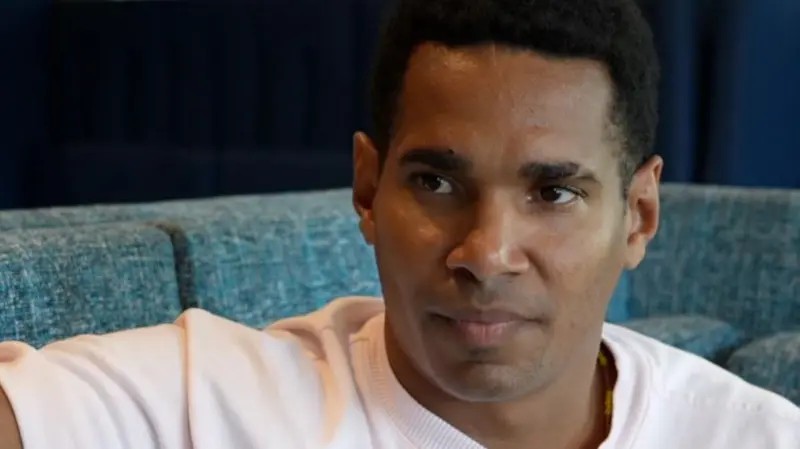
Cuban artist and dissident Luis Manuel Otero Alcántara, 38, has begun a new life in exile in Miami, Florida, after serving a five-year prison sentence in Cuba. He was incarcerated for offenses including disrespecting national symbols, contempt, and public disorder, stemming from his performance art critical of the Cuban regime. Otero Alcántara, a co-founder of the San Isidro Movement, used art as a form of protest, famously carrying the Cuban flag for a month and staging hunger strikes. His activism made him a prominent opposition figure and a significant challenge to President Miguel Díaz-Canel's government. His arrest occurred during the July 2021 anti-government protests, and his subsequent closed-door trial and hunger strikes drew international attention. Amnesty International declared him a prisoner of conscience, and Time magazine recognized him as one of the world's most influential people. Cuban authorities conditioned his release on exile, and he accepted a humanitarian visa from the U.S. Embassy in Havana. Otero Alcántara described his trial as a "circus" and "staging," highlighting the emotional toll on his family. He viewed his prison time as a symbol of struggle and injustice, continuing his activism even behind bars through art projects and hunger strikes, some lasting up to 48 days. He endured harsh conditions in Guanajay maximum-security prison, sharing a small cell with three other inmates. Initially refusing exile offers, he eventually accepted, believing he could effect more change from abroad due to the constant repression faced within Cuba, which he stated consumed 70-80% of an activist's time.
Luis Manuel Otero Alcántara's experience highlights the tension between state control and artistic expression in authoritarian regimes. His narrative suggests that artistic dissent, when perceived as a threat to national symbols and social order, can lead to severe state repercussions, including lengthy imprisonment. The Cuban government's approach, as described, appears to prioritize maintaining political stability and ideological conformity over accommodating critical voices, even those of internationally recognized artists. The condition of exile upon release implies a strategy to neutralize internal dissent by relocating opposition figures. From a systems perspective, this situation raises questions about the sustainability of governance models that suppress creative freedom, potentially stifling innovation and public discourse in the long term. The international recognition Otero Alcántara received underscores the global awareness of such human rights issues and the potential for exiled voices to amplify their message on a wider stage.
AI-generated to prompt reflection — not editorial opinion, not advice, not a statement of fact. How this works.