Cuban Healthcare System Faces Collapse Amidst Shortages and Surging Illnesses
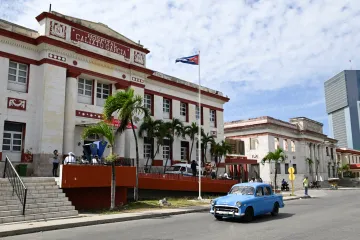
Cuba's once-lauded healthcare system is in deep crisis, exacerbated this year by an unprecedented US oil embargo. Frequent power and water outages are severely impacting hospitals, contributing to over one hundred thousand patients waiting for surgical operations. The situation is further complicated by a rise in chikungunya fever cases. This mosquito-borne illness is spreading due to an increase in garbage accumulation on streets, a problem stemming from a lack of fuel for waste collection vehicles. The server CiberCuba reported on these dire conditions, highlighting the systemic failures affecting patient care and public health.
The Cuban healthcare system's current struggles appear to be a complex interplay of long-standing structural issues and recent geopolitical pressures, notably the US oil embargo. While the embargo directly impacts essential services like power, water, and waste management, it also amplifies pre-existing vulnerabilities within the national infrastructure. The rise in chikungunya fever, linked to uncollected waste, illustrates how failures in one sector can cascade into public health emergencies. Moving forward, Cuba's long-term healthcare resilience will likely depend on diversifying its energy sources, strengthening its public health infrastructure to manage vector-borne diseases, and potentially exploring new economic models that reduce reliance on external factors susceptible to embargoes. Addressing these systemic challenges is crucial for ensuring equitable access to care and preventing future health crises.
AI-generated to prompt reflection — not editorial opinion, not advice, not a statement of fact. How this works.