Cuban Man Wrongfully Deported to Mexico, Fights for Return to US
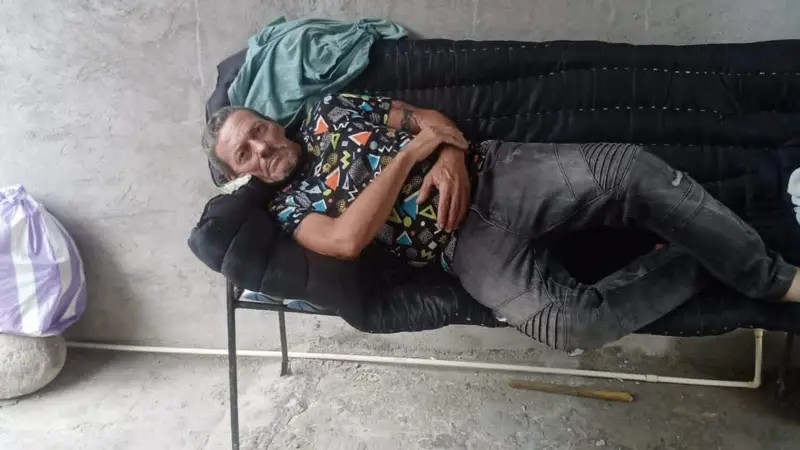
Lázaro Romero León, a 59-year-old Cuban citizen, was deported to Mexico despite a federal judge's order prohibiting his extradition. He had lived in the United States for nearly three decades, settling in Puerto Rico after stints in Miami, Tennessee, and Los Angeles. Romero León had an outstanding deportation order from 2002 but was allowed to remain in the U.S. under an order of supervision, requiring periodic check-ins with Immigration and Customs Enforcement (ICE). He reported attending these meetings for 28 years without fail.
On May 20, 2025, six agents apprehended Romero León outside his home in Aguadilla, Puerto Rico, and took him to an ICE detention center in Adelanto, California, and then to Florence, Arizona. ICE reportedly requested travel documents from Cuban authorities in June 2025, which remain pending. In September, ICE notified Cuban authorities of his impending expulsion to a third country, a notice Romero León claims he refused to sign. In December, he filed a habeas corpus petition, but a federal judge, Hernán Diego Vera, issued an order on February 16, 2026, prohibiting his transport out of the U.S. pending the legal process.
Despite the judicial order, Romero León was mistakenly deported to Mexico on February 16, 2026, due to an "apparent communication error," as admitted by the government. He spent nearly three months in Mexico, enduring what he described as "pure agony," often living on the streets in Tapachula, Chiapas, and relying on donations. Mexican authorities eventually intercepted him and took him to another detention center before leaving him at the Guatemalan border. His lawyer continued to fight for his return to the U.S. while ICE worked to comply with the court order. Romero León has since returned to the U.S., now in Palmdale, California, recounting the dire conditions faced by many Cubans in similar situations in southern Mexico.
The Department of Homeland Security (DHS) characterized Romero León as a "criminal illegal immigrant with an extensive history of offenses," including assault, marijuana possession, and driving offenses between 1997 and 2001. A DHS spokesperson stated that Romero León received due process and that the government enforces the law, deporting individuals deemed unlawfully present. The case highlights broader shifts in U.S. immigration policy, particularly concerning Cuban nationals, with increased deportations and agreements with third countries for expulsion, a trend that intensified during the Trump administration.
This case illustrates a critical breakdown in inter-agency communication and judicial order adherence within the U.S. immigration system. The erroneous deportation of Lázaro Romero León, despite a federal judge's explicit order, underscores systemic vulnerabilities that can lead to severe human consequences. While the Department of Homeland Security emphasizes Romero León's criminal history and final deportation order, the judicial injunction suggests a legal process that was either mishandled or overridden, raising questions about oversight and accountability. The situation also reflects the complex geopolitical dynamics influencing immigration policies, particularly the challenges in deporting Cuban nationals due to a lack of bilateral agreements and Cuba's refusal to accept certain individuals. The broader trend of increased deportations and the utilization of third countries for expulsions, as noted in the report, points to a more assertive, and potentially less nuanced, enforcement strategy. Future policy considerations should focus on robust communication protocols between judicial bodies and enforcement agencies, alongside a critical examination of the efficacy and humanitarian implications of third-country deportation agreements.
AI-generated to prompt reflection — not editorial opinion, not advice, not a statement of fact. How this works.