Cuban National Zoo Welcomes Bengal Tiger Cubs Amidst National Shortages
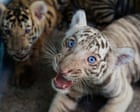
The Cuban National Zoo is celebrating the birth of four Bengal tiger cubs, a development that has brought renewed hope to its dedicated zookeepers. Among the new arrivals is an exceptionally rare white tiger cub, adding to the significance of this event. This joyous occasion arrives at a challenging time for Cuba, which is currently grappling with severe shortages of essential resources. The island nation is experiencing widespread issues with fuel, medicine, and frequent, prolonged power outages that disrupt daily life. Despite these significant national hardships, the arrival of these endangered big cats has provided a much-needed morale boost to the zoo's staff. Ángel Cordero, a zookeeper at the national zoo, described the sight of the cubs as a small miracle, offering a moment of brightness amidst the prevailing difficulties. The birth signifies a potential revitalization for the team, which has been under considerable strain due to the ongoing resource scarcity.
The birth of endangered Bengal tigers at the Cuban National Zoo, including a rare white cub, offers a moment of positive news amidst significant national challenges. The event highlights the resilience of zoo staff and the enduring appeal of wildlife conservation, even under conditions of severe resource scarcity, including fuel and medicine shortages, and frequent power outages. From a systemic perspective, this occurrence underscores the complex interplay between national economic conditions and the operational capacity of public institutions like zoos. While the births are a cause for celebration and can boost morale, they also present a long-term challenge: ensuring the continued health and well-being of these animals, particularly rare white tigers, requires consistent access to specialized resources that may be difficult to procure during an energy and economic crisis. Future planning will need to consider sustainable strategies for animal care that are less vulnerable to external economic shocks, potentially involving international partnerships or innovative, resource-efficient husbandry techniques.
AI-generated to prompt reflection — not editorial opinion, not advice, not a statement of fact. How this works.