Cuban President Accuses US of 'Genocidal Policy' and Attempting to Seize Control
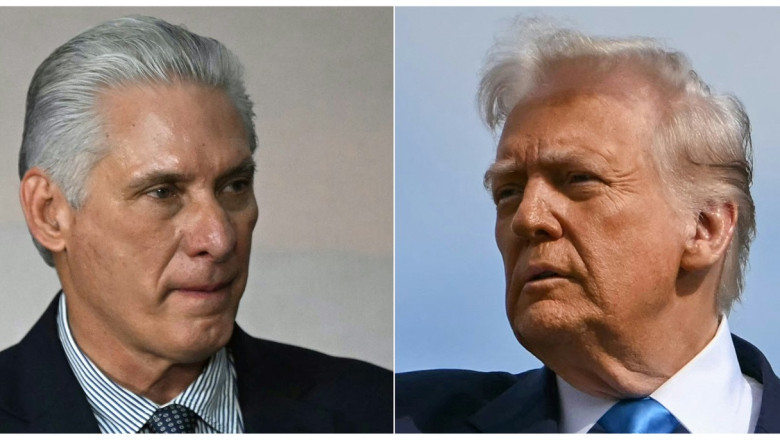
Cuban President Miguel Diaz-Canel has condemned Washington's "genocidal policy" towards Cuba, alleging that the United States aims to "take control of our country." This statement comes as the Trump administration has implemented a "maximum pressure" policy against the communist island nation since January. Cuba, located approximately 150 kilometers off the coast of Florida, has been subject to an embargo since 1962. In addition to the long-standing embargo, the US has imposed a oil blockade and a comprehensive list of sanctions targeting Cuban companies and officials. These measures are part of an intensified effort to exert pressure on the Cuban government.
The Cuban president's characterization of US policy as "genocidal" reflects a strong rhetorical stance, framing international relations through a lens of existential threat. This framing often serves to consolidate domestic support and rally international sympathy by portraying the nation as a victim of external aggression. From a policy perspective, the US actions, including sanctions and embargoes, are typically justified as tools to promote democratic reforms and human rights. However, the sustained application of such measures raises questions about their long-term effectiveness in achieving stated goals versus their impact on the civilian population and the potential for unintended consequences, such as fostering resentment or entrenching existing power structures. The dynamic highlights a recurring tension in international relations between state sovereignty and external pressure for political change, with both sides employing narratives that emphasize their respective grievances and justifications.
AI-generated to prompt reflection — not editorial opinion, not advice, not a statement of fact. How this works.