Cubatão forms El Niño task force after state prosecutor's demand
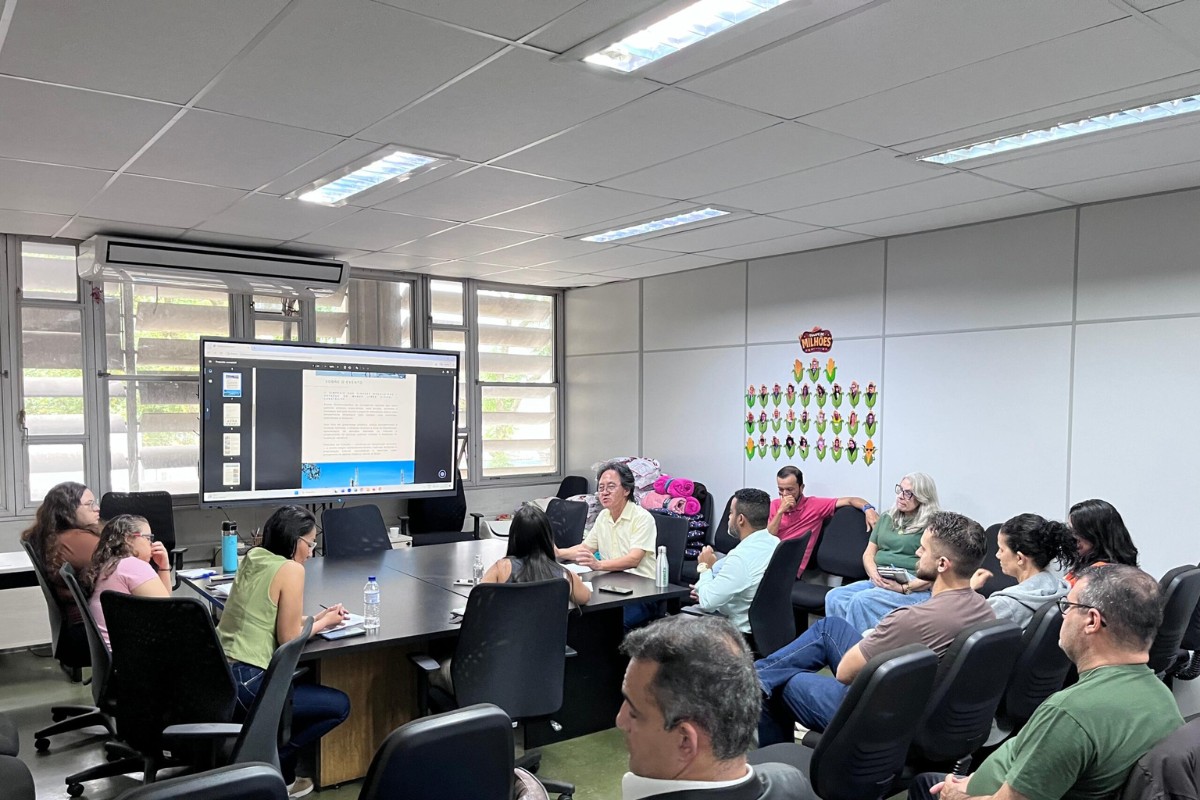
The municipality of Cubatão, São Paulo, has established a permanent commission to address the impacts of the El Niño phenomenon. This action follows a directive from the Public Prosecutor's Office of São Paulo (MP-SP) one month prior, urging cities in the Baixada Santista region to implement preventative measures against El Niño's effects. El Niño, characterized by abnormal warming of Pacific Ocean surface waters, can lead to excessive rainfall, flooding, landslides, and strong winds. The phenomenon officially began in June 2023 and is projected to persist until 2027. The announcement of the new commission was made during a meeting of the Municipal Environment Council (Condema) on Wednesday, November 22nd. The commission will be responsible for reviewing and updating the El Niño Response Plan and coordinating inter-departmental actions. Planned initiatives include public awareness campaigns, volunteer training, and continuous meteorological monitoring. The Secretary of Environment, Climate Security, and Animal Welfare, Cleiton Jordão, indicated that infrastructure projects to mitigate flooding are also under consideration. The coordinator of Cubatão's Civil Defense (Compdec), Cristina Cândido, presented the agency's role and potential local risks associated with El Niño. Cubatão already operates two contingency plans for heavy rainfall periods (December-March): the Civil Protection and Defense Contingency Plan (PCPDC) for general risk monitoring and response, and the Contingency Plan for the Serra do Mar in the Cubatão Industrial Pole area (PCSMPIC) for specific industrial zone measures. Cândido emphasized that effective Civil Defense relies on integrated efforts between public authorities, external institutions, and the community.
The formation of Cubatão's El Niño commission, prompted by the Public Prosecutor's Office, highlights a reactive approach to climate change preparedness. While the establishment of a dedicated task force and the review of contingency plans are positive steps, the timing suggests a need for more proactive, long-term systemic planning rather than responses triggered by external pressure. The municipality's reliance on existing, albeit updated, contingency plans and the emphasis on public awareness and volunteer training, while valuable, may not fully address the escalating scale and frequency of extreme weather events predicted in the coming decade. Future preparedness will likely require significant investment in resilient infrastructure and integrated urban planning that anticipates climate-induced disruptions, moving beyond immediate response mechanisms to robust, forward-looking adaptation strategies.
AI-generated to prompt reflection — not editorial opinion, not advice, not a statement of fact. How this works.