Cubatão Partially Closes Henry Borden Avenue for Paving Work, Detours Advised
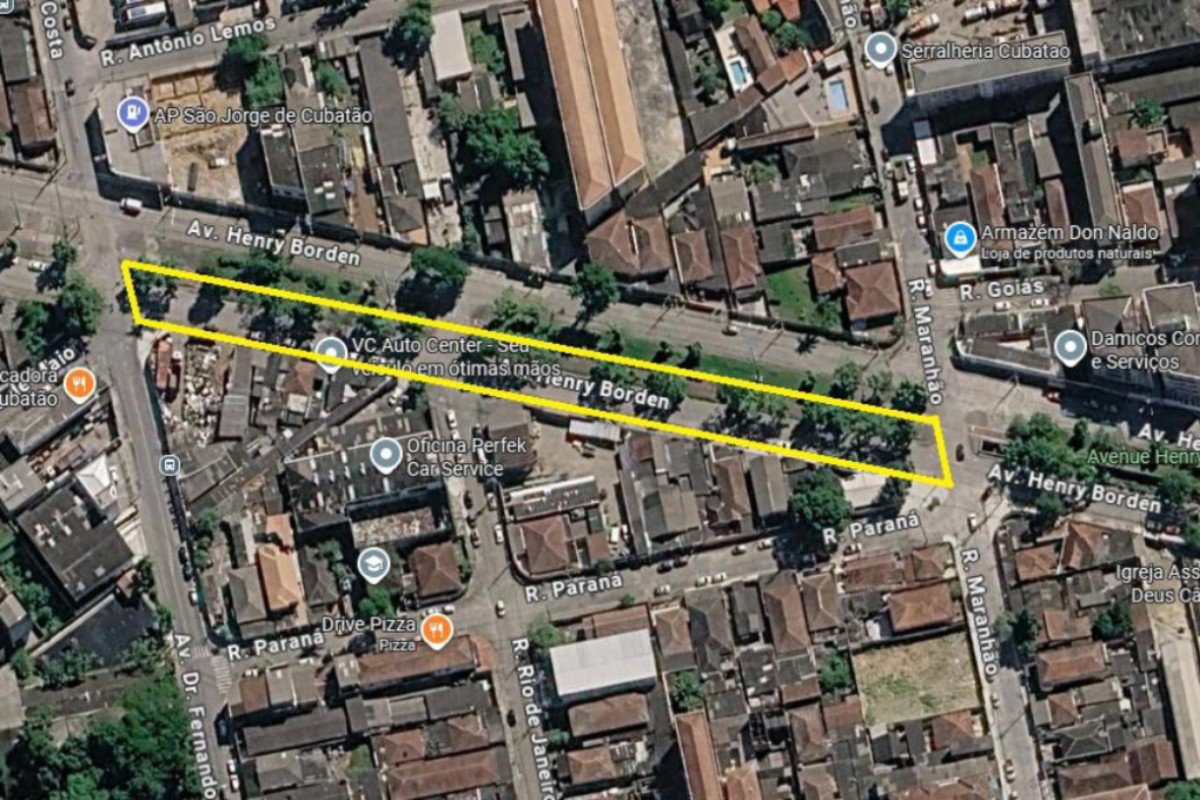
Henry Borden Avenue in Cubatão, São Paulo, has been partially closed for paving works between Dr. Fernando Costa and Maranhão streets, affecting approximately 400 meters of the avenue in the direction of Avenida Nove de Abril. Residents are advised not to park vehicles in the affected section during the service period and to seek alternative routes. The works, which commenced on Monday, February 27th, are part of a larger project to requalify the avenue, including paving both directions. The estimated investment for this project is R$ 6 million. The Municipal Transit Company (CMT) stated the closure is essential for the safety of work crews and efficient execution of services. Drivers heading towards Avenida Nove de Abril are directed to use Rua Dr. Fernando Costa, turn left onto Rua Paraná, and then return to Avenida Henry Borden via Rua Maranhão. The CMT urges drivers to adhere to temporary signage and traffic agent instructions. The overall requalification encompasses paving each direction of the avenue for about one kilometer, along with revitalizing curbs, gutters, and sidewalks. This intervention is part of a broader set of mobility enhancements in the region, including the Guará-Vermelho roundabout, a new viaduct to Via Anchieta, pedestrian walkways, and the revitalization of the Henry Borden Avenue bike path and Parque das Primaveras. Following this initial phase, work will proceed to other scheduled sections. The municipality anticipates these improvements will enhance safety, accessibility, and traffic flow for both vehicles and pedestrians.
The partial closure of Henry Borden Avenue for paving and requalification represents a localized infrastructure investment aimed at improving urban mobility and safety. Such projects, while necessary for long-term development, inevitably create short-term disruptions. The municipality's communication of alternative routes and advisories aims to mitigate these impacts. From a systemic perspective, the integration of this project with other regional mobility enhancements suggests a strategic approach to urban planning. Evaluating the R$ 6 million investment against the projected benefits of enhanced safety, accessibility, and circulation requires a long-term cost-benefit analysis, considering factors like traffic flow efficiency and potential economic uplift for the area. Future planning could explore phased construction methods or off-peak hour work to further minimize public inconvenience during essential infrastructure upgrades.
AI-generated to prompt reflection — not editorial opinion, not advice, not a statement of fact. How this works.