CUFA Launches "SOS Ribeirão Preto" Campaign for Storm Victims
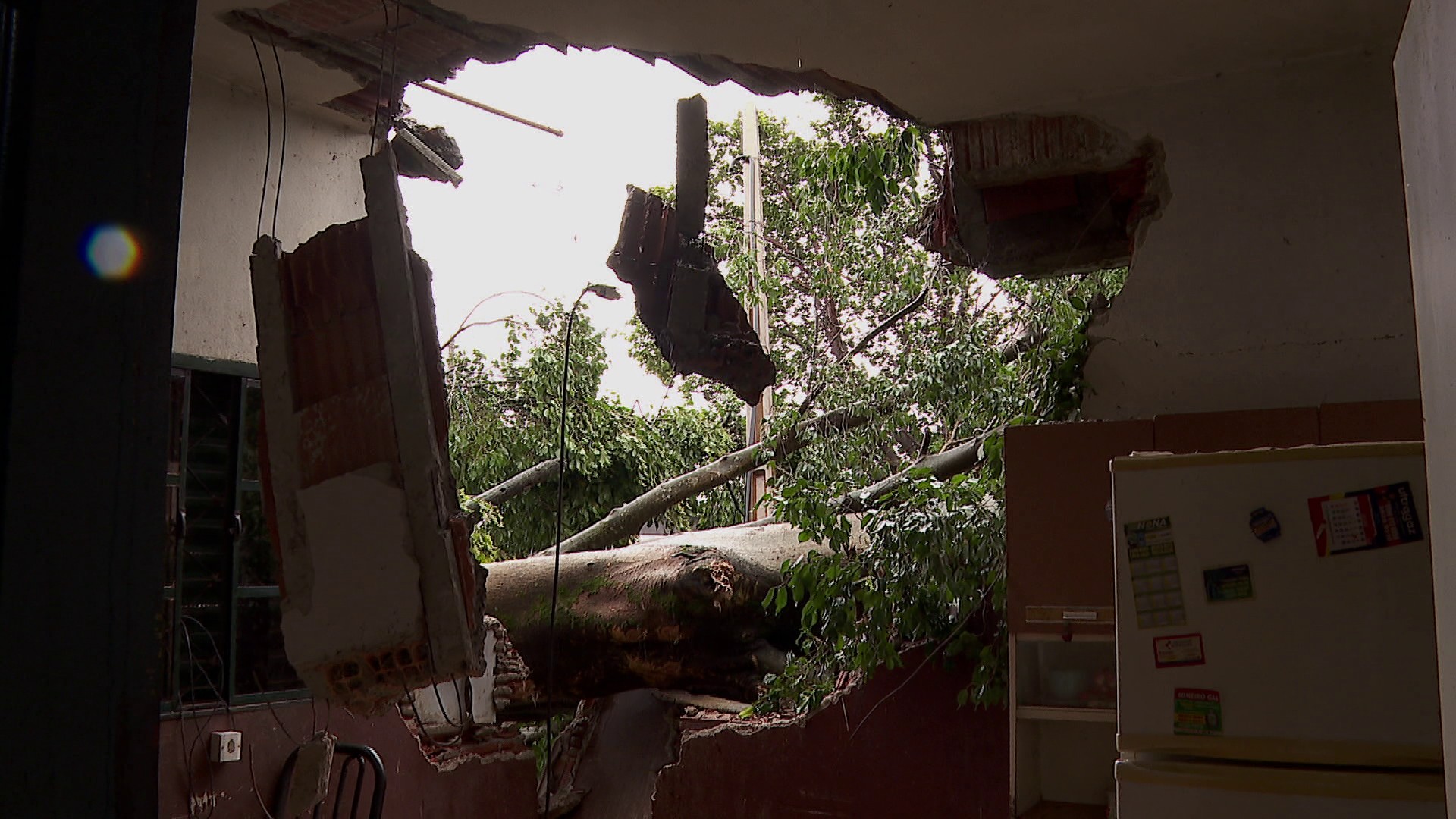
The Central Única das Favelas (CUFA) in Ribeirão Preto, São Paulo, has initiated an emergency campaign called "SOS Ribeirão Preto" to aid victims of a severe storm that struck the city on Friday, May 24th. This effort complements CUFA's ongoing winter relief campaign. Donations sought include non-perishable food, drinking water, clothing, blankets, personal hygiene items, cleaning supplies, mattresses, and essential items in good condition, as well as construction materials. The campaign prioritizes cleaning supplies due to the extensive damage and dirt left by the storm, according to CUFA president Aline Rocha. Donations can be delivered to two collection points: Sesc Ribeirão Preto at Rua Tibiriçá, 50, in the city center, and at Avenida Paris, 61, in Jardim Independência. For those unable to deliver items, CUFA volunteers can arrange for pick-ups by calling (16) 99262-5033. The storm, described by experts as an atmospheric microburst, generated winds up to 160 km/h, affecting approximately 79,000 hectares. It resulted in the death of a 75-year-old man whose home was crushed by a collapsed shed and left around 1,800 people displaced. The storm caused a complete outage of electricity in Ribeirão Preto, with 54 transmission towers and hundreds of poles downed, also impacting water supply and rendering 80% of the city's system inoperable. Ribeirão Preto, Dumont, and Taquaritinga declared states of emergency, which were recognized by the federal government to expedite aid.
The "SOS Ribeirão Preto" campaign addresses the immediate aftermath of a significant natural disaster, highlighting the critical role of civil society organizations like CUFA in disaster response. The event underscores the vulnerability of urban infrastructure to extreme weather phenomena, exacerbated by climate change, which are projected to increase in frequency and intensity. The disruption to essential services, such as power and water, demonstrates systemic weaknesses in resilience planning for densely populated areas. The federal government's recognition of emergency declarations aims to streamline resource allocation, but the long-term recovery will depend on sustained investment in infrastructure upgrades and community preparedness programs to mitigate future impacts.
AI-generated to prompt reflection — not editorial opinion, not advice, not a statement of fact. How this works.