Cuiabá BRT Project Contract Extended Again, Delivery Pushed to November 2026
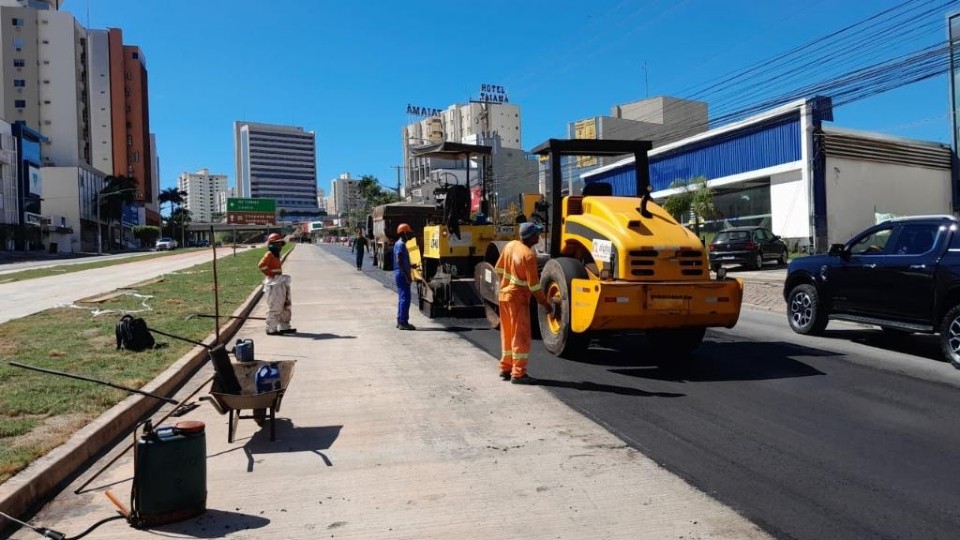
The government of Mato Grosso has once again extended the contract for the Bus Rapid Transit (BRT) works in Cuiabá and Várzea Grande. A new addendum, signed on Wednesday, May 15th, grants an additional 150 days for the execution of services on the first section, now slated for completion on November 18, 2026. This extension pushes the contract's validity until February 16, 2027, with a total execution period of 510 days and a contract duration of 635 days. Previously, about seven months ago, the State Secretariat of Infrastructure (Sinfra-MT) had already added 180 days to the construction timeline, setting a prior delivery forecast for June 21, 2026. Governor Otaviano Pivetta (Republicanos) had also indicated in late June that the first section, connecting Marechal Rondon Airport in Várzea Grande to the CPA region in Cuiabá, was expected to begin operations by the end of the current year. Governor Pivetta attributed the delays to issues with the company responsible for the initial phase of the work, while confirming that terminal construction is ongoing. The government anticipates having the BRT vehicles operational within 2026. The project's history reveals that the initially chosen Veículo Leve sobre Trilhos (VLT) system, designed for the 2014 World Cup, incurred over R$1 billion in public funds and faced corruption allegations and legal challenges. VLT construction was halted in December 2014, leading to the contract termination with the VLT consortium four years later. The state then opted to replace the VLT with the BRT system. The former VLT rails were sold and are now operational in Bahia, while the BRT project in Cuiabá and its metropolitan region continues to progress.
The repeated extensions and significant delays in the Cuiabá BRT project, which originated from a previous VLT initiative plagued by corruption and legal issues, highlight persistent challenges in public infrastructure development. The shift from VLT to BRT, while potentially a pragmatic response to past failures, underscores the complexities of urban transit planning and execution. The current delays, attributed to the contractor, suggest potential issues in project oversight, contract management, or the initial feasibility assessments. Looking ahead, the project's trajectory raises questions about long-term cost-effectiveness, public trust, and the capacity for timely delivery of essential urban services in the face of evolving transportation needs and technological advancements. Future infrastructure planning may benefit from more robust risk assessment and adaptable contractual frameworks to mitigate such recurring setbacks.
AI-generated to prompt reflection — not editorial opinion, not advice, not a statement of fact. How this works.