Cuiabá City Hall Decree Allows Seizure of Abandoned Properties
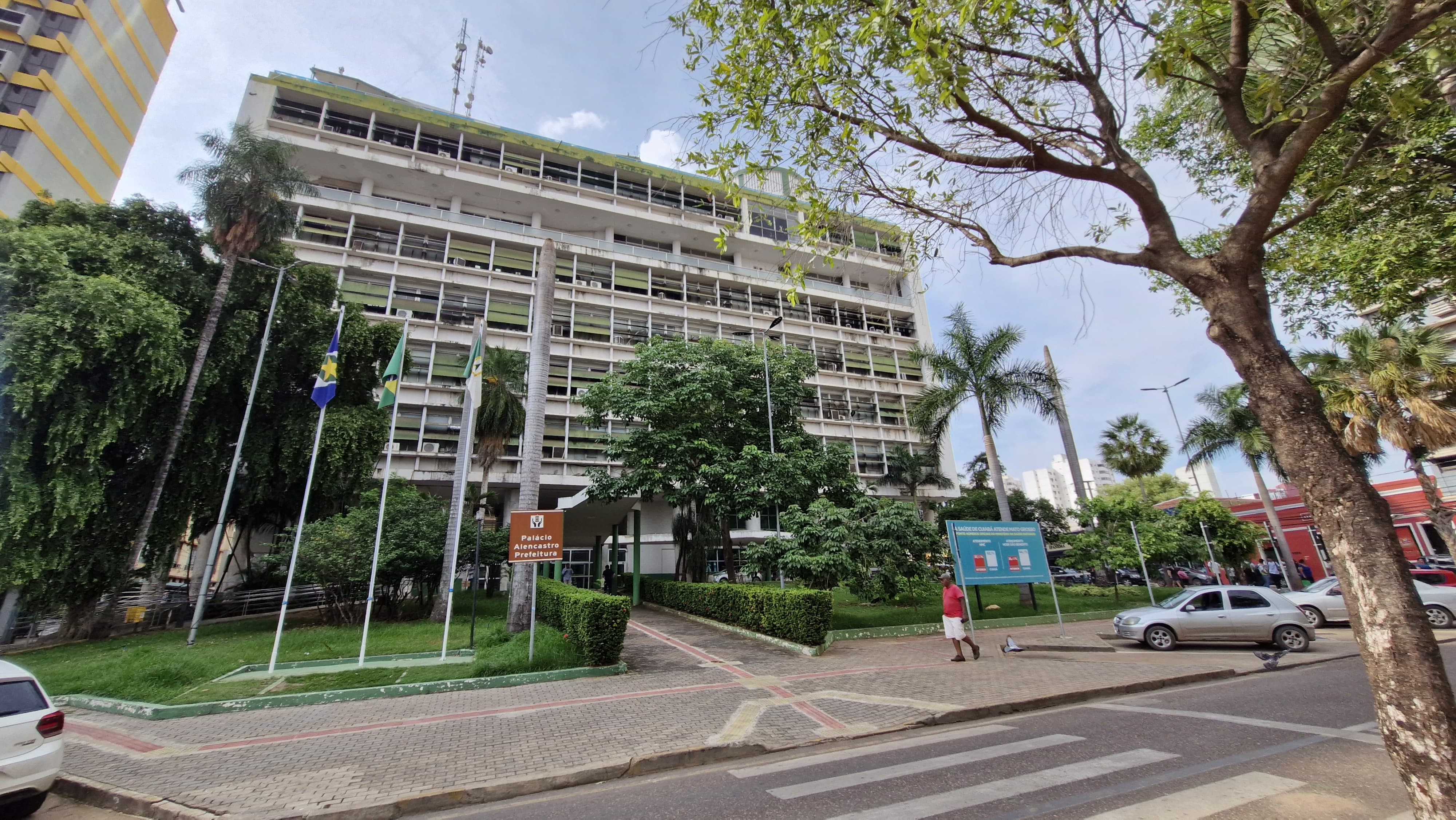
The Cuiabá City Hall in Brazil has enacted a new decree, signed by Mayor Abilio Brunini, allowing the municipality to seize abandoned properties. This measure, effective since June 30, permits the city to permanently incorporate abandoned real estate into public patrimony after a three-year period if owners fail to regularize their situation. The decree stipulates that if an owner is notified and does not respond within the stipulated timeframe, their silence will be interpreted as acceptance of the property's abandoned status, allowing the administrative process to proceed to the mayor's decision. Once the seizure decision is published, the city gains possession and can allocate the property for housing programs, public facilities, green spaces, urban revitalization projects, or transfer it to non-profit organizations and private partners. Owners have a three-year window after seizure to reclaim their property by settling all fines, taxes, and debts, reimbursing municipal expenses, and signing a Conduct Adjustment Agreement (TAC) to ensure the property serves a social function. Failure to meet these conditions within the three-year period results in the property becoming definitively owned by the municipality, enabling its official registration. Existing seizure processes will be adapted to these new regulations, and the prior decree on the matter has been revoked.
This decree addresses urban blight and underutilized property by establishing a clear legal framework for municipal acquisition. By defining abandonment and outlining a multi-year process with opportunities for redemption, the policy aims to balance property rights with the public interest in productive land use. The mechanism incentivizes owners to either maintain their properties or engage with the city, while providing a pathway for the municipality to address vacant lots and derelict buildings. Looking ahead, such policies may become more prevalent as cities grapple with densification and the need for public services, potentially influencing property ownership models and urban planning strategies in the coming decade.
AI-generated to prompt reflection — not editorial opinion, not advice, not a statement of fact. How this works.