Cuiabá Extends HPV Vaccination Deadline for Young Adults to December 31
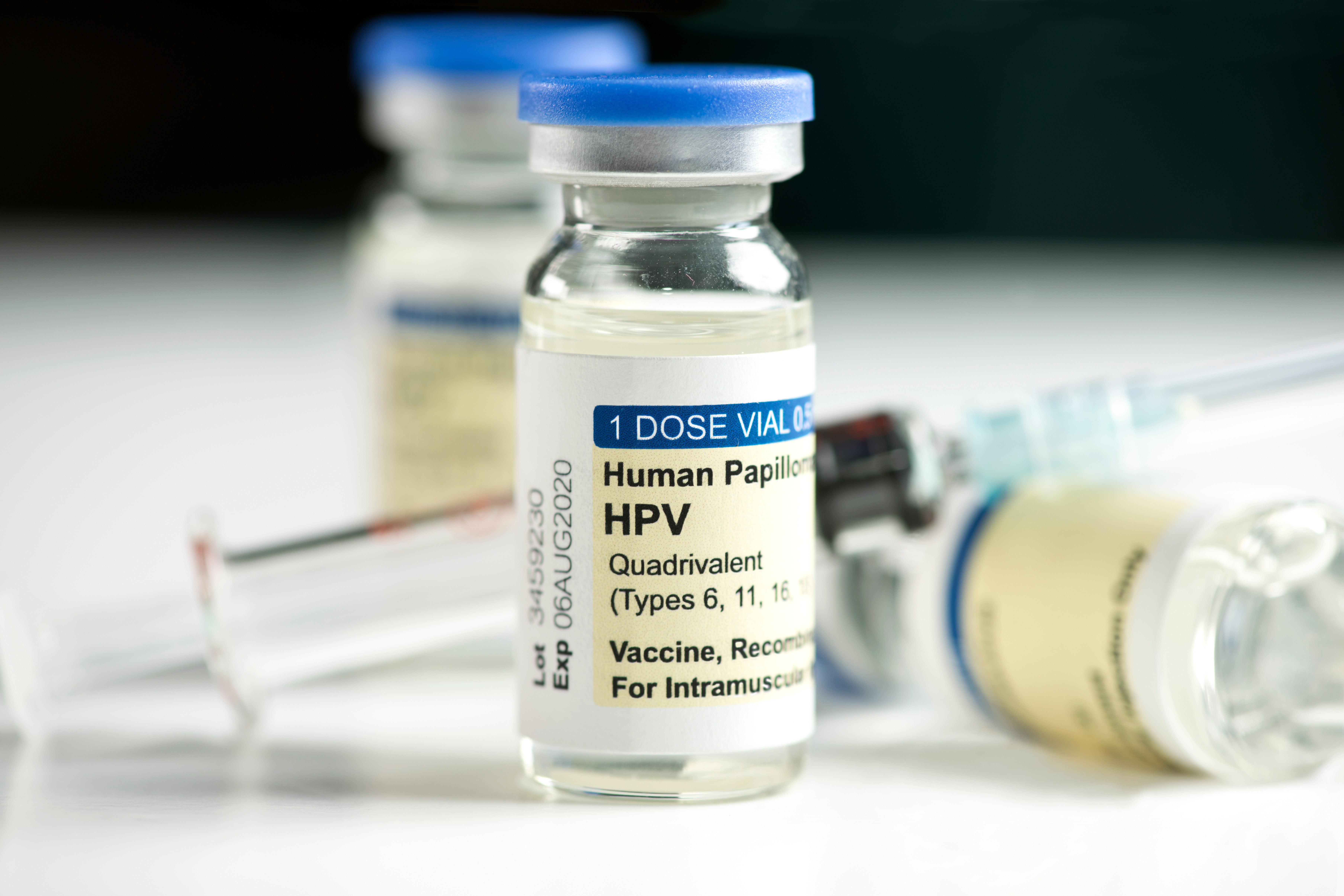
Cuiabá has extended its HPV vaccination campaign for individuals aged 15 to 19 years old, with the new deadline set for December 31. This extension, implemented by the Ministry of Health, aims to reach adolescents and young adults who missed the opportunity to get vaccinated at the recommended age. The vaccine is available at all 72 Family Health Units (USFs) across the city, including rural areas. Twenty-eight of these units offer extended hours, remaining open until 7 PM or 9 PM. The HPV virus is a common sexually transmitted infection linked to several cancers, including cervical, penile, anal, and oropharyngeal cancers, as well as genital warts. While routinely recommended for 9- to 14-year-olds, the current rescue strategy allows those aged 15 to 19 to receive the vaccine. The immunization is also available to specific groups, such as individuals living with HIV, transplant recipients, cancer patients, and those on HIV pre-exposure prophylaxis (PrEP). Vaccination status can be checked via the Meu SUS Digital app. Several USFs, including Parque Ohara and Tijucal, will be open until 9 PM, while others like Parque Cuiabá and Coxipó I and II will operate until 7 PM.
The extension of the HPV vaccination deadline in Cuiabá reflects a public health strategy to address vaccination gaps among adolescents and young adults. This initiative acknowledges that missed opportunities for routine immunization can have long-term health consequences, particularly concerning HPV-related cancers. By broadening access through extended hours and specific outreach, the Ministry of Health and local authorities are attempting to mitigate future public health burdens. This approach underscores the importance of proactive, accessible vaccination programs in preventing serious diseases and highlights the ongoing challenge of ensuring equitable vaccine uptake across diverse populations. The strategy's success will depend on sustained public awareness and continued efforts to overcome barriers to vaccination.
AI-generated to prompt reflection — not editorial opinion, not advice, not a statement of fact. How this works.