Cuiabá Mayor Bans 'Farmar Aura' Championship, Links Term to Sexuality
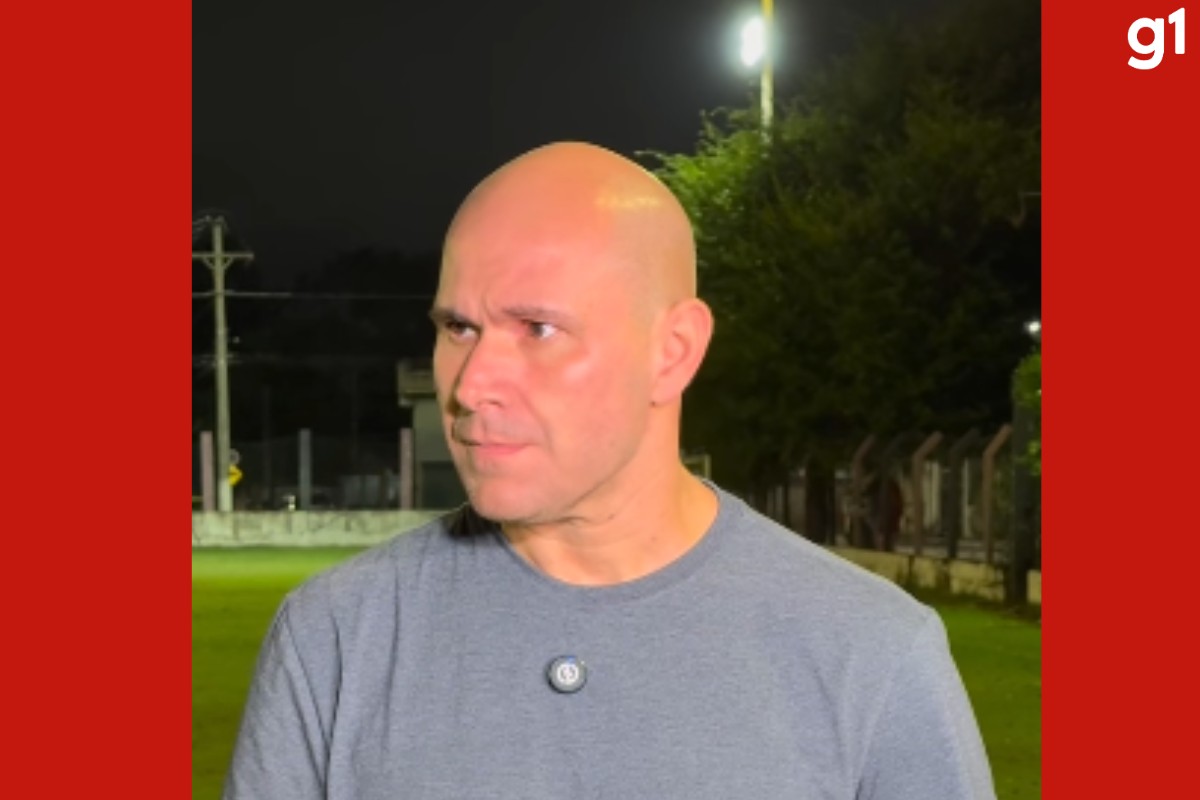
The mayor of Cuiabá, Abilio Brunini (PL), has prohibited a planned "Farmar Aura" championship scheduled for Friday, May 24th, at the Parque das Águas. Brunini stated in a social media video on Thursday, May 23rd, that the event lacks public interest and that no official request was made for the use of the space. When questioned about the meaning of "farmar aura," the mayor responded that he was unaware of the term, stating, "Man, I don't know. I'm straight, I don't know about these things." He also confirmed that no authorization request had been filed with the municipal Secretariat of Public Order. Brunini questioned the public interest in the competition, asking if it would distort the concept of mental health or promote an unedifying culture. The event, according to its social media promotion, was set to begin at 6:30 PM, with participants presenting themselves to judges for one minute to determine the top three winners, who were promised prizes. The term "farmar aura," popular in 2025, originates from video games like Minecraft, World of Warcraft, and Fortnite, where "farming" means performing repetitive tasks to accumulate resources or experience. In this context, "farmar aura" refers to acting in ways that accumulate style points and build an image of being interesting, inspiring, or "cool," akin to constantly increasing one's admiration level among others.
The mayor's decision to ban the "Farmar Aura" championship and his public comments linking the term to his sexual orientation highlight a potential disconnect between emerging cultural expressions and established public discourse. The mayor's invocation of personal identity as a basis for understanding or dismissing a cultural phenomenon, coupled with his questioning of its public interest and 'edifying' value, suggests a risk-averse approach to novel social trends. This stance may stem from an incentive structure prioritizing adherence to traditional norms over embracing or understanding evolving forms of social interaction and self-presentation, particularly those originating from digital culture. Such administrative actions, when based on subjective interpretations of public interest rather than objective criteria, can stifle cultural innovation and create friction between governing bodies and younger demographics who are more fluent in these new expressive languages. Looking ahead, understanding and accommodating diverse forms of cultural capital, even those that appear unconventional, will be crucial for effective governance in an increasingly digitized and interconnected society.
AI-generated to prompt reflection — not editorial opinion, not advice, not a statement of fact. How this works.