Cuiabá Mayor Blocks 'Aura Farming' Contest; Event Relocates to Federal University Campus
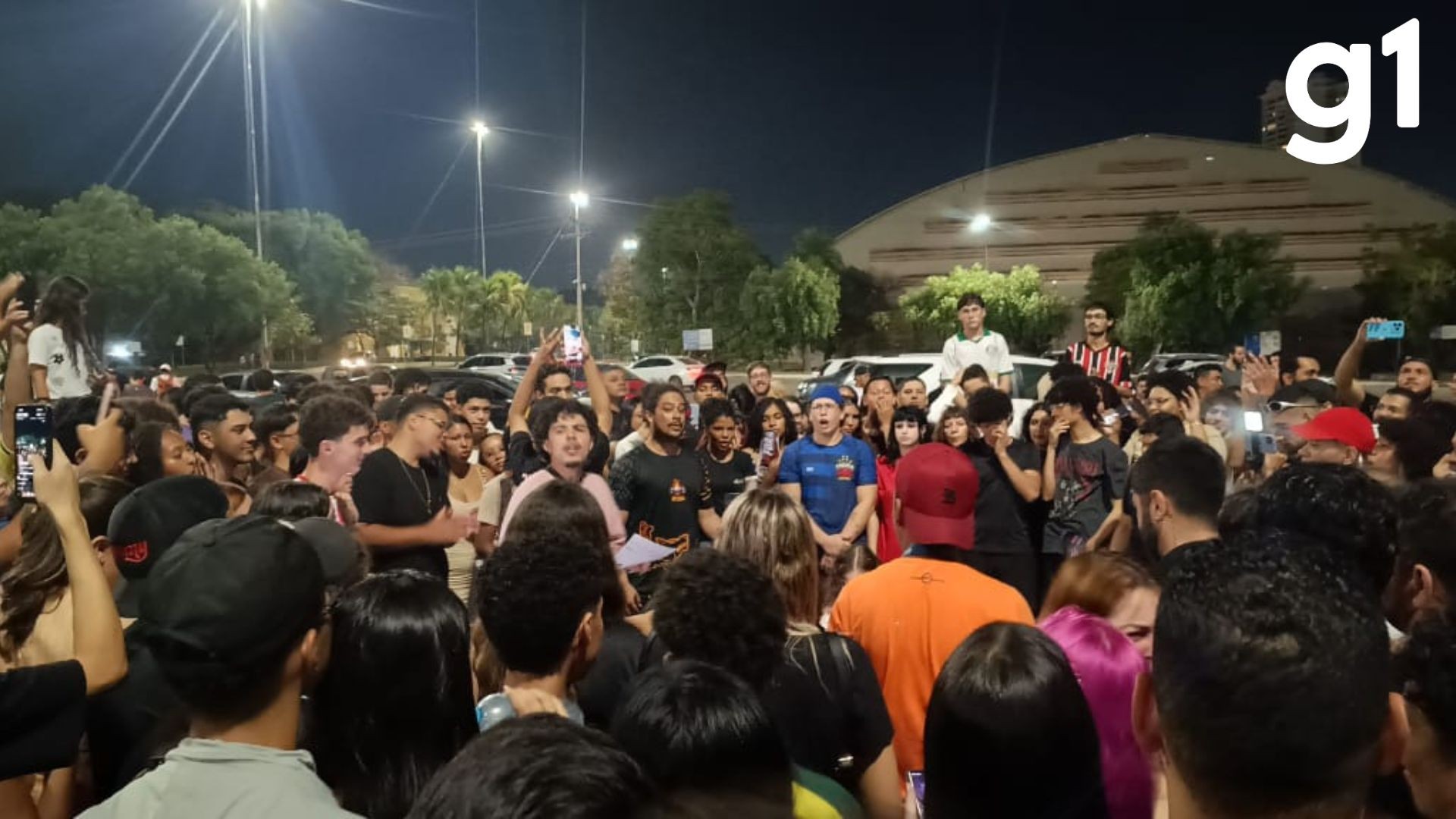
A "Farmar Aura" (Aura Farming) championship, originally scheduled for the Parque das Águas in Cuiabá, was relocated to the Federal University of Mato Grosso (UFMT) campus after being prohibited by Mayor Abilio Brunini. The mayor cited a lack of public interest and proper authorization for the event to be held in a public park. The competition took place on Friday, May 24th, in the parking lot of the University Restaurant (RU) at UFMT. Organizer Cleofas Lopes announced the venue change via social media, expressing disappointment but confirming the event would proceed. Sixteen participants competed, with alcohol consumption being prohibited. Lopes described the championship as a form of expression for the younger generation and a way to reclaim public spaces, comparing it to popular dances of past generations and asserting its cultural relevance. The top three finishers were set to receive cash prizes and merchandise, including combos from a partner snack bar, cash, and drinks. The term "farmar aura" originates from video games, where "farming" involves repetitive tasks to gain resources or experience. In this context, it refers to actions taken to accumulate social capital, build a stylish image, or gain admiration from others, akin to leveling up one's social standing. Mayor Brunini stated he was unaware of the term's meaning and questioned its public benefit, suggesting it might negatively impact mental health or promote unproductive culture.
The "Farmar Aura" championship's relocation highlights the evolving landscape of youth culture and public space utilization in Brazil. The mayor's objection, based on a perceived lack of public interest and unclear definition of the event, reflects a generational and cultural divide in understanding contemporary social dynamics and digital-native expressions. While the mayor's concern for public order and resource allocation is a valid governmental function, his dismissal of the event's cultural significance, particularly his comments on mental health and unproductive culture, overlooks the potential for such gatherings to foster community and identity among young people. The organizers' framing of the event as a "revolution" and a legitimate form of generational expression suggests a broader societal tension between traditional values and the emergent norms shaped by online culture and gamification. Future urban planning and public space policies may need to adapt to accommodate diverse forms of cultural expression, moving beyond conventional definitions of public interest to foster inclusivity and recognize the evolving ways in which citizens engage with their communities and construct their identities.
AI-generated to prompt reflection — not editorial opinion, not advice, not a statement of fact. How this works.