Cuiabá Municipal Schools to Resume Classes for Over 60,000 Students
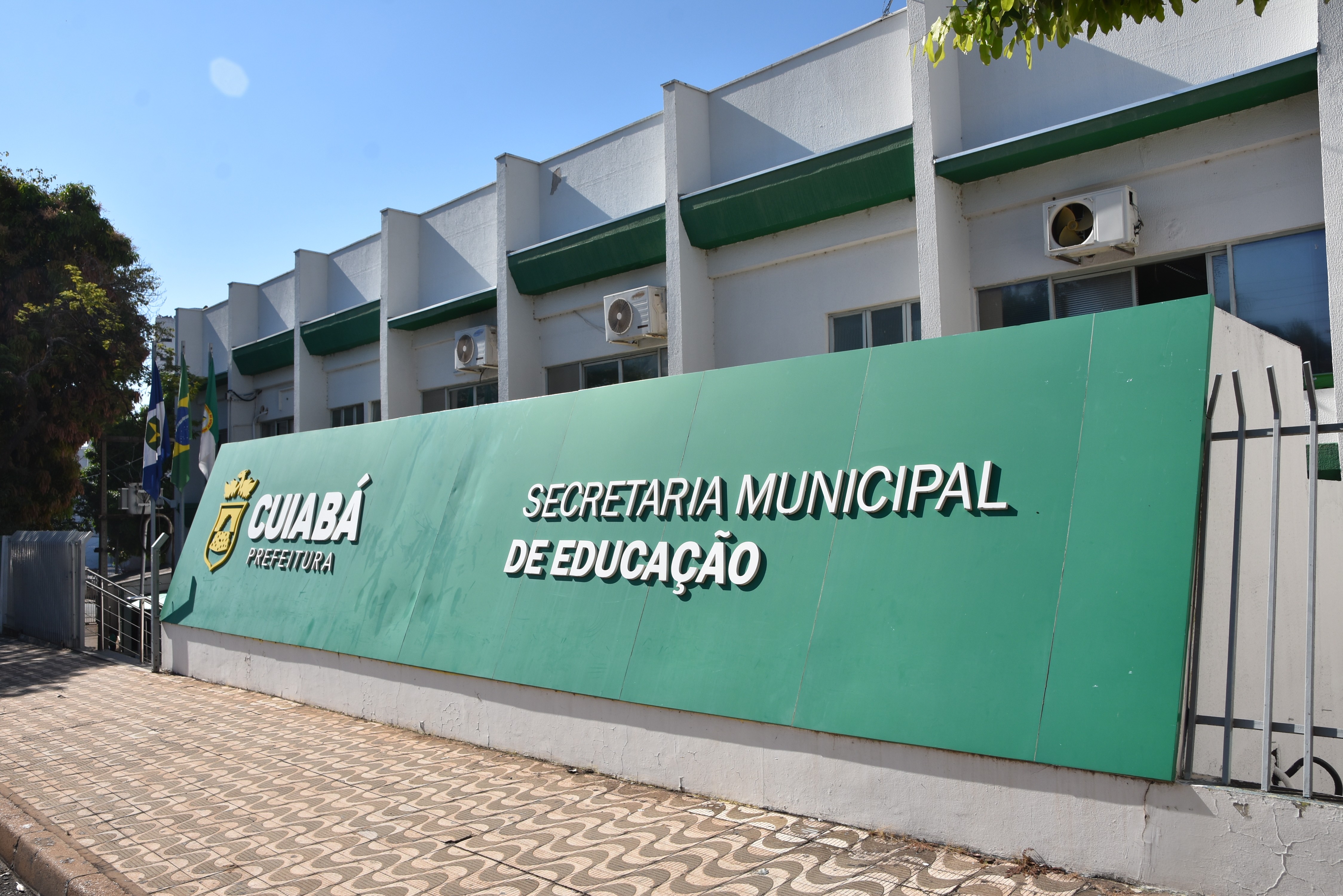
Classes in Cuiabá's municipal school network are set to resume on Tuesday, March 21st, welcoming back over 60,000 students after a two-week break. The city's administration is emphasizing traffic safety and organization around school zones during student drop-off and pick-up times. This is particularly crucial in areas affected by BRT construction, especially in the central part of the capital.
The Municipal Secretariat of Urban Mobility and Public Security (Semob) advises drivers and guardians to exercise increased caution, leave home earlier, obey traffic signals, avoid double parking and illegal parking, use designated drop-off/pick-up zones, and follow traffic agents' instructions. The Municipal Secretary of Education, Reginaldo Teixeira, confirmed that schools are ready for the students' return and highlighted the need for cooperation from families and drivers for a safe resumption of academic activities. Semob Secretary, Colonel Francyanne Lacerda, announced that educational blitzes will be conducted near schools throughout the week to guide drivers and raise public awareness about traffic regulations. Parents and guardians are also encouraged to prepare school supplies in advance and plan their departure times to prevent delays, while also staying involved in their children's school routines for the semester.
The resumption of classes for over 60,000 students in Cuiabá, following a recess, presents a logistical challenge that intersects public education and urban mobility. The city's proactive emphasis on traffic safety and organization, particularly around school zones and ongoing infrastructure projects like the BRT, reflects an awareness of potential disruptions. The coordinated efforts between the education secretariat and the mobility secretariat, including educational blitzes, aim to mitigate risks and ensure a smooth transition. This situation underscores the systemic importance of integrated urban planning, where educational schedules must be harmonized with traffic management strategies, especially in densely populated areas undergoing development. The focus on public awareness and driver compliance highlights the reliance on behavioral change to complement infrastructure and enforcement measures, a common dynamic in managing complex urban environments.
AI-generated to prompt reflection — not editorial opinion, not advice, not a statement of fact. How this works.