Cuiabá Reports 568 Dengue Cases and One Death in 2026, with Weekly Cases Declining
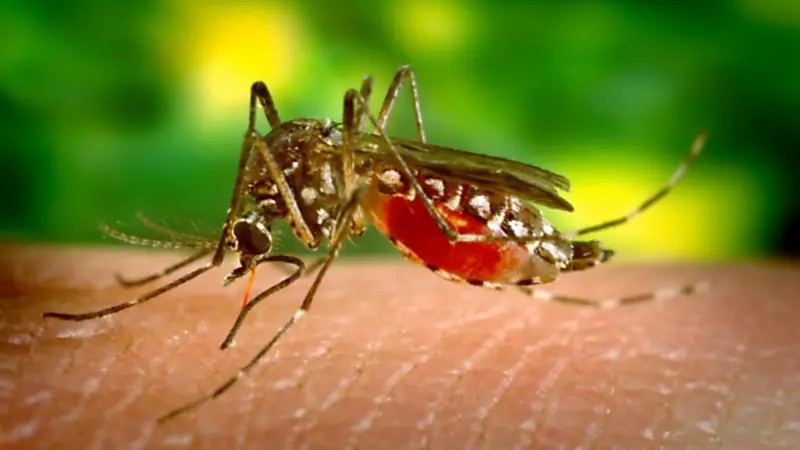
Cuiabá has confirmed 568 cases of dengue in 2026, with one fatality directly attributed to the disease and another death under investigation. This data was released in Epidemiological Bulletin No. 24/2026 by the Municipal Health Secretariat. Despite the confirmed cases, the Cuiabá City Hall indicates a reduction in the weekly average of dengue notifications compared to the same period in 2025. The average number of weekly reports has decreased from 75.6 last year to 51.8 this year. The municipality also recorded 115 confirmed cases of chikungunya without any related deaths during the same timeframe. To combat the proliferation of the mosquito, the city recommends protective measures including vaccination with Qdenga, which is available free through the SUS for children and adolescents aged 10 to 14, administered in two doses. Other preventative actions include eliminating standing water in containers, ensuring water tanks are sealed, regularly cleaning gutters and drains, using insect repellent, and cooperating with public health officials during inspections. Maintaining well-ventilated living spaces is also advised to improve air quality and reduce mold. The primary symptoms of dengue, which necessitate seeking medical attention to avoid complications, are fever, body aches, headache, skin rash, and severe joint pain.
The reported decline in weekly dengue notifications in Cuiabá, despite a significant number of confirmed cases and a fatality, highlights the ongoing challenge of vector-borne disease management. Public health initiatives, such as vaccination programs and public awareness campaigns on mosquito control, are critical interventions. However, the persistent incidence underscores the need for sustained investment in environmental sanitation and urban planning that minimizes breeding grounds for Aedes aegypti. Future strategies may need to integrate climate change adaptation measures, as altered weather patterns can influence mosquito populations and disease transmission dynamics. Evaluating the long-term efficacy and accessibility of vaccination programs, alongside community engagement in preventative behaviors, will be key to mitigating future outbreaks in the coming decade.
AI-generated to prompt reflection — not editorial opinion, not advice, not a statement of fact. How this works.