Cuiabá Restaurant Shut Down for Third Time Due to Repeated Health Code Violations
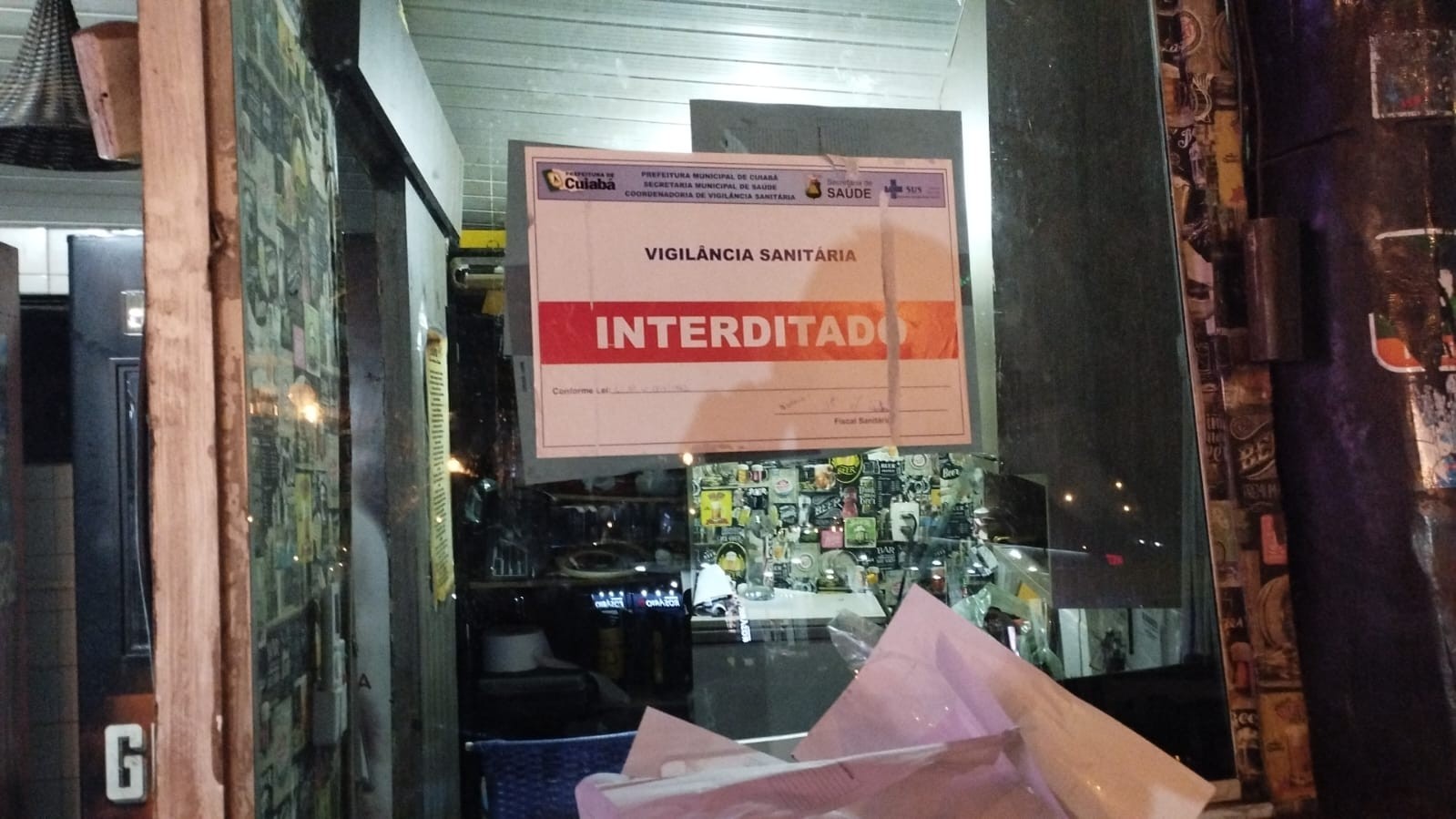
A restaurant in Cuiabá, located on Avenida Carmindo de Campos in the Jardim Paulista neighborhood, has been shut down for the third time for operating without authorization from the Health Surveillance agency. The repeated closure occurred on Friday, July 31st, when Civil Police and Health Surveillance officers found the establishment still preparing food despite outstanding sanitary issues. The initial closure on July 14th cited severe hygiene deficiencies, including dirty food preparation areas, accumulated grime on equipment, floors, and gas pipes, structural problems, and sewage leaks. Concerns were also raised about the water quality, with previous tests revealing coliform presence in water used for food preparation and ice production. The owner has not provided a new report confirming water potability. A follow-up inspection on July 17th found that the problems persisted, and the restaurant had removed the closure signs and continued operating, leading to a second closure. During the most recent inspection, officials discovered that closure signs had been concealed with paper, and the same issues of dirtiness, sewage leaks, and lack of a water quality report remained. The owner was not present, with only freelance employees on site. The closure has been renewed, and the owner has been warned that legal action, including criminal charges, may follow if the restaurant reopens without rectifying all violations and obtaining official authorization.
This recurring closure highlights a systemic challenge in regulatory enforcement, where repeated violations suggest a potential disconnect between penalties and the incentives for compliance. The owner's actions, including concealing closure notices and continuing operations, indicate a disregard for public health regulations, possibly driven by perceived economic pressures or an underestimation of enforcement consequences. Future interventions might consider more robust mechanisms, such as escalating fines, temporary license suspension, or mandatory third-party audits, to ensure sustained compliance. Examining the effectiveness of current penalty structures and exploring alternative enforcement models could offer insights into preventing such persistent public health risks in the food service industry.
AI-generated to prompt reflection — not editorial opinion, not advice, not a statement of fact. How this works.