Cuiabá River Discharge Sparks Concern; Water Authority Claims Treated Effluent
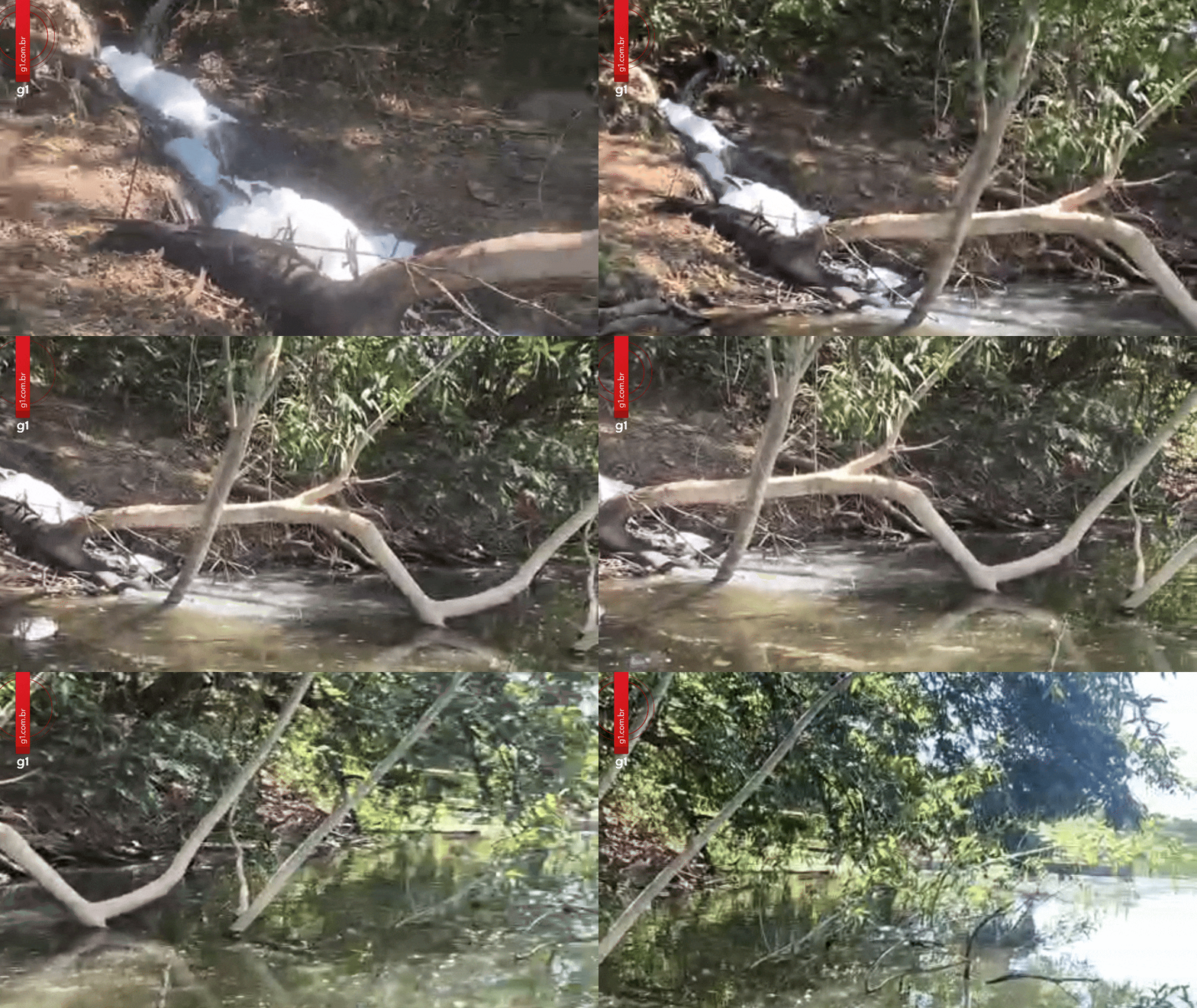
A fisherman has recorded video footage showing a pipe discharging foamy liquid into the Cuiabá River, near Cuiabá and Várzea Grande, Brazil. The images, captured last week in the vicinity of Passagem da Conceição, gained traction on social media, raising questions about local water quality. Fisherman Hemerson Barbosa stated that the discharge point is situated close to the water intake system of the Várzea Grande Water and Sewer Department (DAE-VG), which prompted him to document the situation. He noted the proximity to be approximately 30 to 50 meters. In response, DAE-VG issued a statement clarifying that the pipe in the video is part of the municipality's sewage system and carries treated effluent, asserting no irregularities. Technical teams from DAE-VG reportedly visited the site and confirmed the system is functioning correctly. The department also stated that water samples were collected, and their parameters remain within legal environmental and sanitary limits. DAE-VG further explained that the discharge point is located downstream from the water intake, posing no risk to the public water supply. The foam observed in the video was attributed to residual chlorine used in the treatment process, not contamination. Barbosa mentioned that such incidents, including chemical contamination and litter, are not uncommon during his navigation of the Cuiabá River, serving as a warning to authorities and the public.
This incident highlights a recurring tension between industrial/municipal effluent management and public water resource protection. While the water authority asserts compliance with treatment standards, the visual evidence and proximity to a water intake system understandably raise public apprehension. The presence of foam, explained as a byproduct of chlorine treatment, underscores the complex nature of wastewater processing and the challenges in communicating its safety to the public. Future considerations should involve enhanced transparency in monitoring and reporting, potentially exploring advanced treatment technologies that minimize visible byproducts and further reduce residual contaminants. Public trust in water management systems hinges on consistent, verifiable data and clear communication, especially when visual cues might suggest otherwise.
AI-generated to prompt reflection — not editorial opinion, not advice, not a statement of fact. How this works.
