Cuiabá Sees 74% Surge in Flu Cases, Health Officials Urge Vaccination
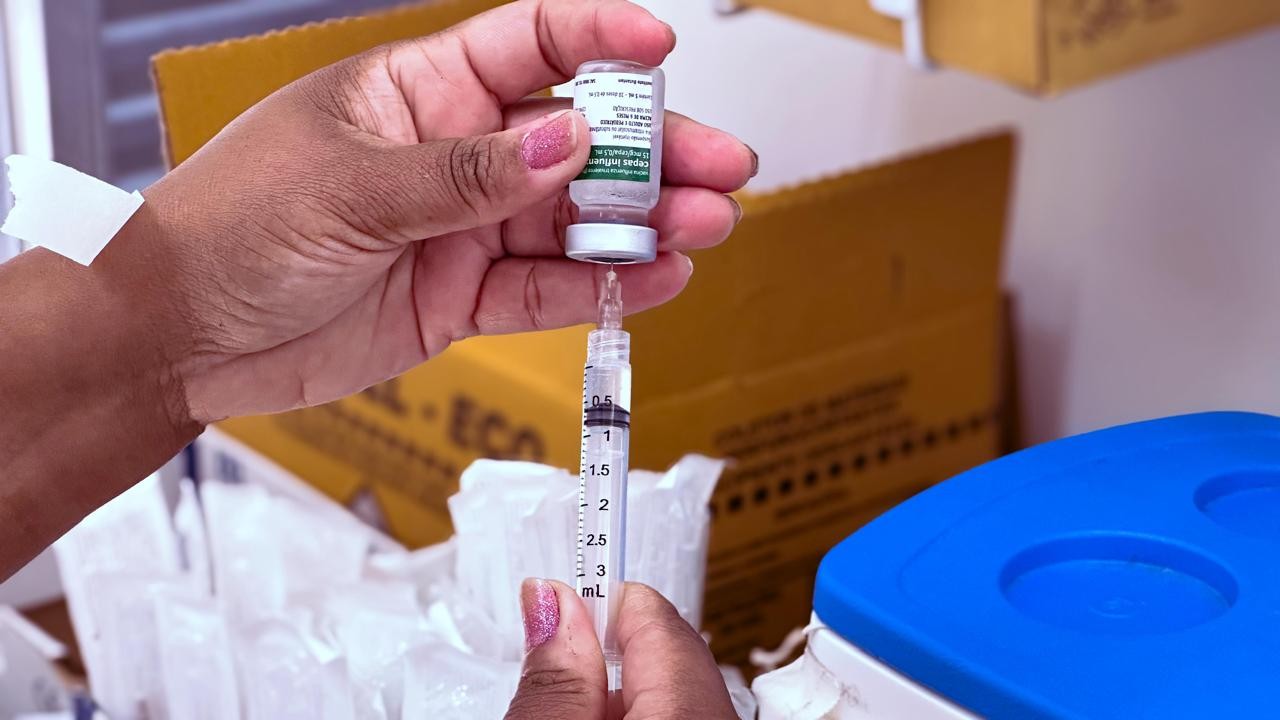
Cuiabá, Brazil, has experienced a significant 74.95% increase in influenza cases between January and July of 2026, with 1,858 reported among residents compared to 1,062 in the same period of 2025. The majority of these cases, 966, were found in children under six years old. Other age groups affected include those aged 15-59 with 673 cases, 7-14 year olds with 572 cases, and individuals 60 and older with 175 cases. The municipality recorded a total of 2,386 influenza notifications, including 528 from non-residents. Health authorities attribute this rise to increased respiratory virus circulation, low vaccination coverage, and expanded testing availability in 2026. However, the data may be skewed as a substantial portion of notifications originated from private healthcare providers. In contrast, COVID-19 cases in Cuiabá have dropped by 88.39%, with only 121 reported in early to mid-2026 compared to 1,043 in the same timeframe of 2025. The Municipal Health Secretariat recommends preventative measures such as frequent handwashing, avoiding touching the face, and minimizing close contact in crowded indoor settings. The State Health Secretariat (SES) also advises regular cleaning of children's toys and restricting contact between vulnerable populations and those with flu symptoms, recommending mask usage in such instances. Both entities emphasize that vaccination remains the most effective strategy to prevent severe outcomes from respiratory viruses.
The significant rise in influenza cases in Cuiabá, juxtaposed with a sharp decline in COVID-19, highlights the dynamic nature of respiratory pathogen circulation and the critical role of public health interventions. The stated factors of increased virus circulation, low vaccination rates, and expanded testing offer a rational explanation for the surge. However, the data's potential bias from private sector reporting warrants careful consideration for accurate public health resource allocation. As AI-driven predictive modeling becomes more sophisticated, its integration with real-time epidemiological data could offer earlier warnings and more targeted interventions, potentially mitigating future outbreaks and optimizing vaccine distribution strategies across diverse demographic groups, thereby enhancing overall population resilience against evolving viral threats.
AI-generated to prompt reflection — not editorial opinion, not advice, not a statement of fact. How this works.