Cuiabá Traffic Disruptions Expected for Pantaneira Cavalcade and St. Benedict Procession
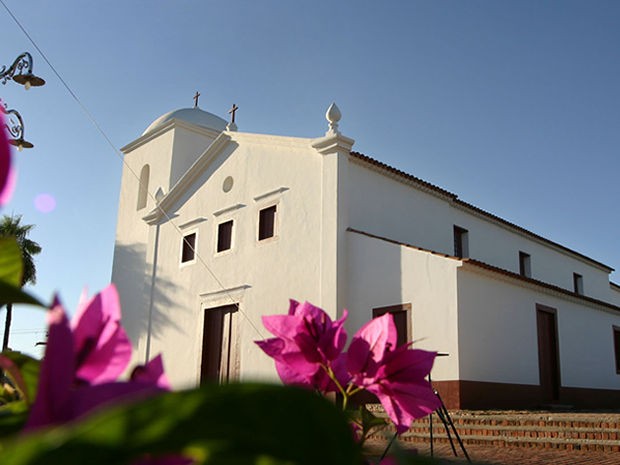
Cuiabá will experience temporary road closures this Saturday, December 4th, and Sunday, December 5th, due to the Pantaneira Cavalcade and the procession of São Benedito. The Municipal Secretariat of Urban Mobility and Public Security announced that blockages will be implemented gradually and lifted shortly after the events conclude. Drivers are advised to pay close attention to signage and traffic agent instructions, plan their travel in advance, and consider alternative routes during the event hours. On Saturday, starting at 6 AM, the Pantaneira Cavalcade will commence in Cohab São Gonçalo Beira Rio and proceed to the Senador Jonas Pinheiro Exhibition Park, traversing Ponte do Praeirinho and Avenida Beira Rio. Traffic agents will be present to guide motorists and ensure participant safety. On Sunday, the procession honoring São Benedito will take place. Participants will gather at the Church of Our Lady of the Rosary and São Benedito. The route will extend along Avenida Historiador Rubens de Mendonça (Avenida do CPA) towards the Avenida Miguel Sutil viaduct, returning along the opposite lane back to the church. The church's side street has been closed since Wednesday, December 1st, and will remain so until the religious program finishes to accommodate attendees.
These events highlight the recurring challenge of balancing public celebrations with urban mobility in densely populated areas. While religious and cultural processions are vital for community cohesion and tradition, their impact on daily commutes necessitates robust traffic management strategies. The temporary road closures, while disruptive, are a standard municipal response to ensure safety for participants and minimize chaos. Looking ahead, cities may explore more integrated urban planning that incorporates dedicated event spaces or advanced digital traffic rerouting systems to mitigate such disruptions more efficiently, especially as urban populations grow and the frequency of such events continues. The long-term consideration involves how urban infrastructure can better accommodate both routine transit and periodic large-scale public gatherings without significant negative externalities.
AI-generated to prompt reflection — not editorial opinion, not advice, not a statement of fact. How this works.