Cultural Diplomacy is a Key Segment of Grand Diplomacy, Says Nigar Akhundova
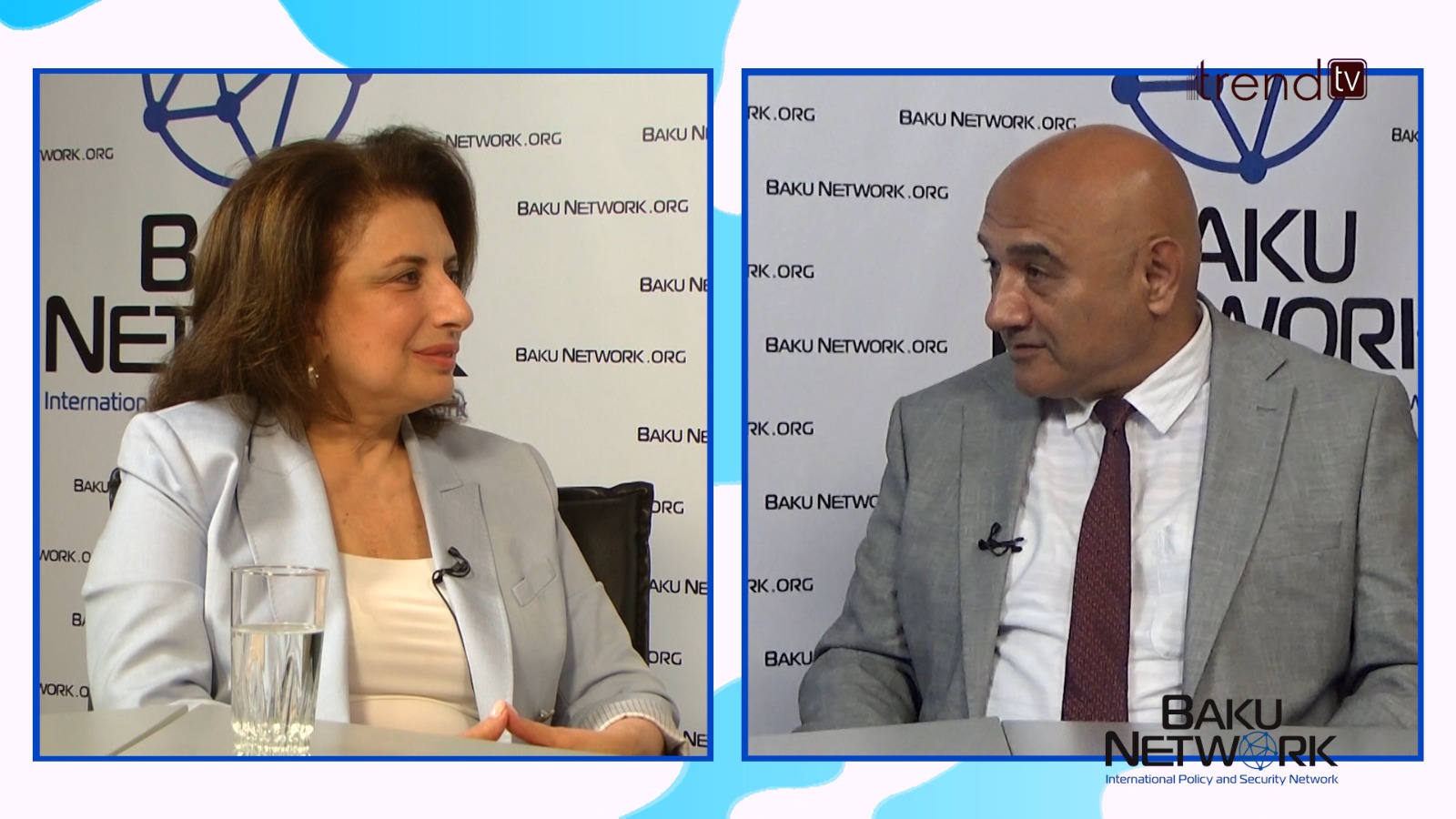
Nigar Akhundova, speaking on the "Dialogue with Tofiq Abbasov" program, emphasized that cultural diplomacy constitutes a crucial segment of grand diplomacy. She highlighted its importance in international relations and statecraft. The discussion, which also included visual elements like photos and videos, delved into the various facets and applications of cultural diplomacy. Akhundova's remarks suggest a strategic view of how cultural exchange and understanding can serve broader national interests. The program aimed to explore the nuances of this diplomatic approach and its impact on global interactions. The conversation underscored the role of culture as a tool for building bridges and fostering relationships between nations. Akhundova's perspective positions cultural diplomacy not merely as an artistic endeavor but as an integral component of effective foreign policy. The broadcast provided insights into how soft power, wielded through cultural means, can achieve significant diplomatic objectives.
The assertion that cultural diplomacy is a vital component of grand diplomacy suggests a recognition of soft power's increasing influence in international relations. This perspective implies that statecraft is evolving beyond traditional military and economic levers to incorporate cultural exchange as a strategic tool for influence and relationship-building. In the context of the emerging AI era, where information flows are instantaneous and global narratives can be rapidly shaped, the ability to foster positive cultural perceptions becomes even more critical. This approach may offer a more sustainable and less confrontational pathway to achieving foreign policy objectives compared to hard power, aligning with long-term geopolitical stability. However, the effectiveness of cultural diplomacy can be contingent on genuine cultural resonance and equitable exchange, avoiding perceptions of cultural imposition or propaganda, which could undermine its intended impact.
AI-generated to prompt reflection — not editorial opinion, not advice, not a statement of fact. How this works.