Cultural Space Damaged for Artist's Bus Access in Tocantinópolis, Brazil
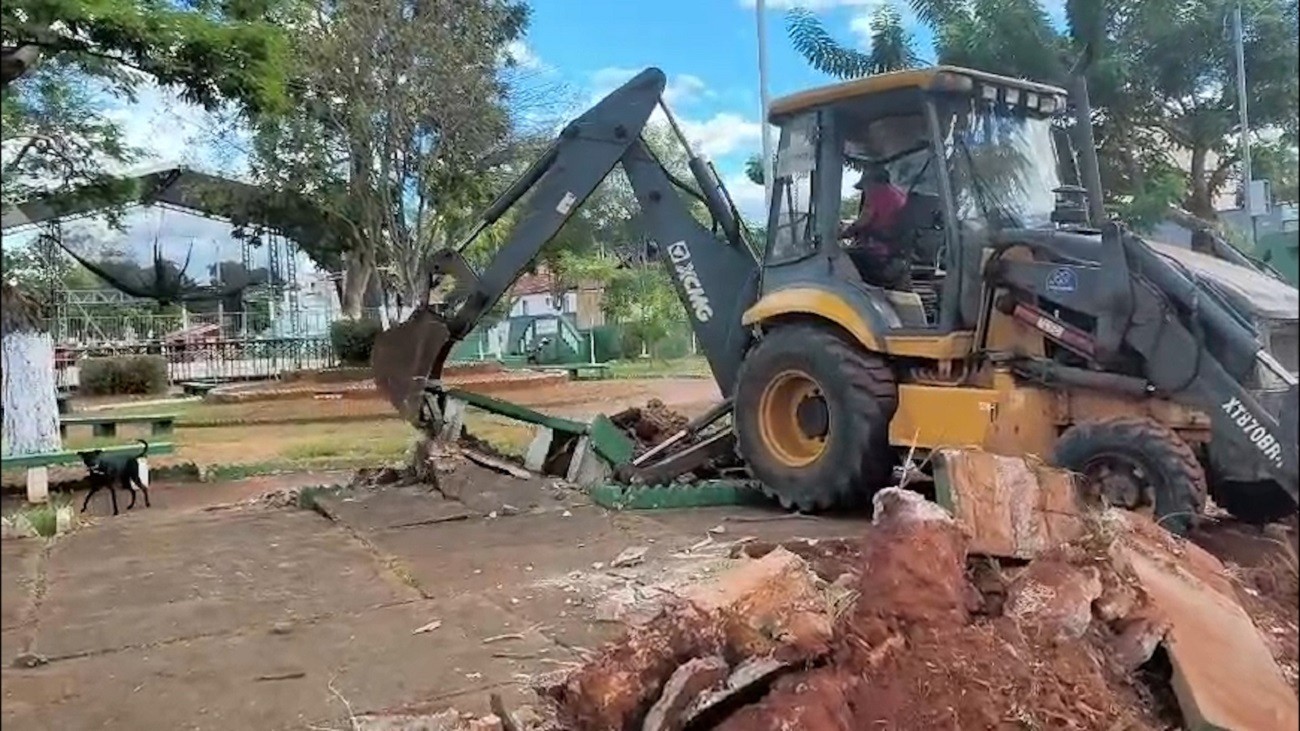
Residents of Tocantinópolis, in northern Tocantins, Brazil, are denouncing the destruction of part of the Beira-Rio Cultural Space, located along the Tocantins River. The damage, which includes the removal of trees and benches, is reportedly being done by the city hall to facilitate access for a bus carrying a main artist for a city anniversary celebration on July 27th. Resident Nayane Januário expressed outrage, questioning the destruction of a historical structure, over 70 years old, for a one-hour event. She noted that the cultural space is small and the street is narrow, leading to the need for this alteration for the bus to reach the stage. Januário also raised concerns about the environmental secretariat's involvement in the alleged devastation. Following the public outcry, the municipality stated that the actions are part of a revitalization process for the cultural space, aiming to improve accessibility, safety, organization, and comfort during events. However, residents claim no specific project has been presented, suggesting the explanation is an attempt to mitigate controversy. The city hall, in a social media statement, denied the destruction, asserting that the site is undergoing improvements for accessibility, safety, organization, and comfort, including adaptations for people with reduced mobility and enhancements to dressing rooms and lighting. They also mentioned plans for a future comprehensive revitalization project that would preserve the area's history while modernizing it.
The reported actions in Tocantinópolis highlight a recurring tension between immediate event logistics and the preservation of public cultural heritage. While the municipality frames the interventions as necessary improvements for accessibility and event comfort, resident accounts suggest a prioritization of temporary needs over long-term heritage value. This situation underscores the importance of transparent urban planning processes that integrate community input and robust environmental impact assessments, especially when historical or cultural sites are involved. Future planning should consider alternative access solutions that do not necessitate the degradation of public spaces, potentially through pre-event logistical coordination or the development of infrastructure designed to accommodate diverse needs without compromising heritage. The municipality's stated future revitalization plans, if executed with genuine community consultation and a commitment to preservation, could offer a path toward reconciling event demands with heritage stewardship.
AI-generated to prompt reflection — not editorial opinion, not advice, not a statement of fact. How this works.