Culture as a Powerful Tool for Resistance and Social Change
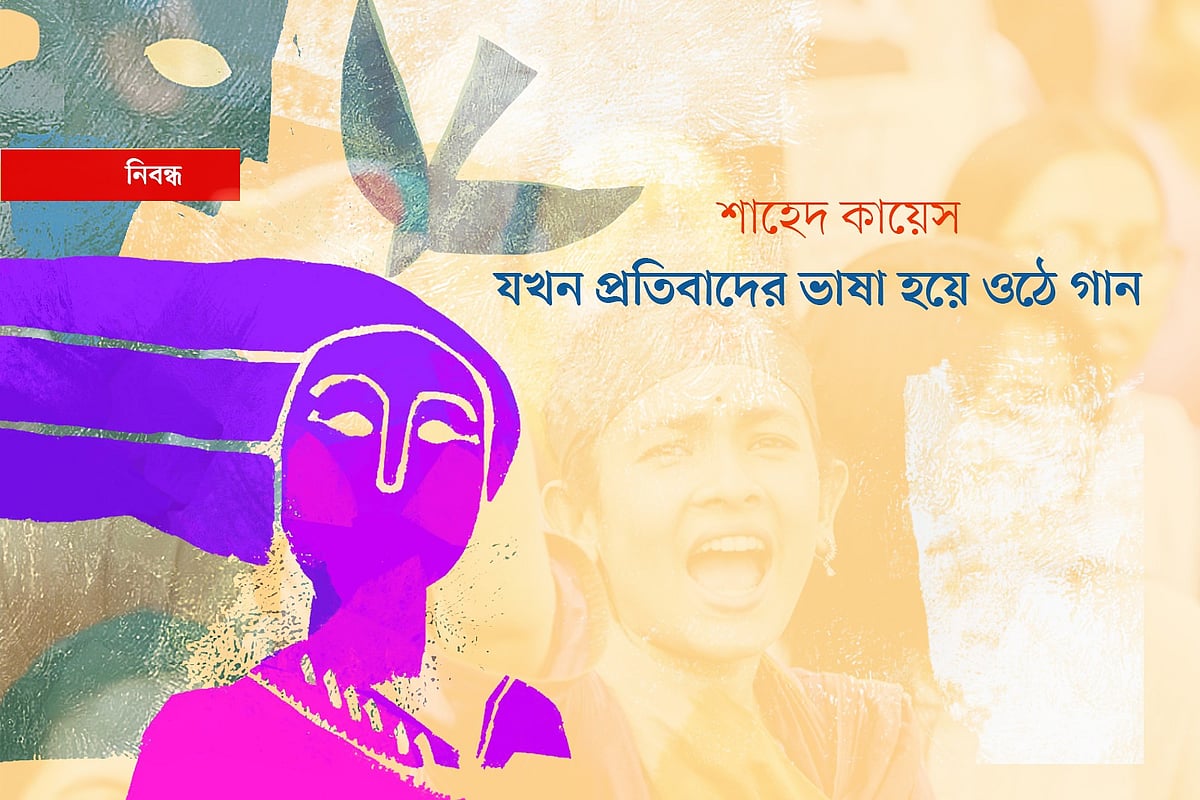
The article explores how culture, through art, music, and literature, has historically served as a potent force for social and political change, often transcending the limitations of conventional political action. It highlights that culture's strength lies in its ability to transform consciousness and inner worlds, making it a powerful countermeasure against societal fear and oppression. When societies attempt to instill fear, the cultivation of independent thought and expression through cultural means becomes the most effective form of resistance. Societies that embrace creativity, such as singing, writing, dancing, and painting, are more resilient and less susceptible to long-term suppression because culture nurtures self-respect.
A recent incident in Bangladesh is presented as a case study, where an attempt to socially humiliate a woman for expressing personal joy through song and nature was met with widespread cultural solidarity. Instead of resorting to negativity, thousands of people responded by singing the same song and creating videos, demonstrating their stance through shared aesthetics and turning beauty into a language of protest. This collective, spontaneous cultural awakening, amplified by social media, underscores the power of art to unite people and challenge authoritarian tendencies, particularly those aimed at controlling women's freedom and self-expression.
The piece draws parallels with historical figures like Lalon, Rabindranath Tagore, and Kazi Nazrul Islam, whose works promoted love, freedom, and human dignity beyond narrow identities. It argues that controlling women's freedom is a key strategy for authoritarian structures, as independent women challenge established power dynamics. The article differentiates culture from religion, defining culture as a collective expression of language, art, and lifestyle that connects people to their history and each other. Ultimately, it advocates for a cultural awakening that fosters courage, solidarity, and critical thinking, emphasizing that beauty can be a powerful response to injustice and that inclusive cultural movements, involving all segments of society, are essential for lasting social transformation.
This analysis examines the role of cultural expression as a form of dissent and social cohesion, particularly in response to attempts at social control or humiliation. The article posits that cultural movements, driven by spontaneous participation rather than formal organization, can effectively challenge oppressive forces by fostering independent thought and collective identity. This perspective suggests that the power of cultural expression lies in its capacity to bypass traditional political structures and directly influence individual consciousness and societal values. The analysis highlights the potential for digital platforms to amplify these cultural movements, enabling rapid dissemination of messages and fostering solidarity across diverse groups. It also implicitly critiques systems that seek to suppress individual expression, noting that such attempts often backfire by galvanizing collective resistance through shared artistic and aesthetic experiences. The piece suggests that the long-term impact of cultural resistance may surpass that of conventional political action by fundamentally altering societal norms and aspirations.
AI-generated to prompt reflection — not editorial opinion, not advice, not a statement of fact. How this works.