Culture Moves Beyond Stereotypes, Portraying Complex Bisexual Lives
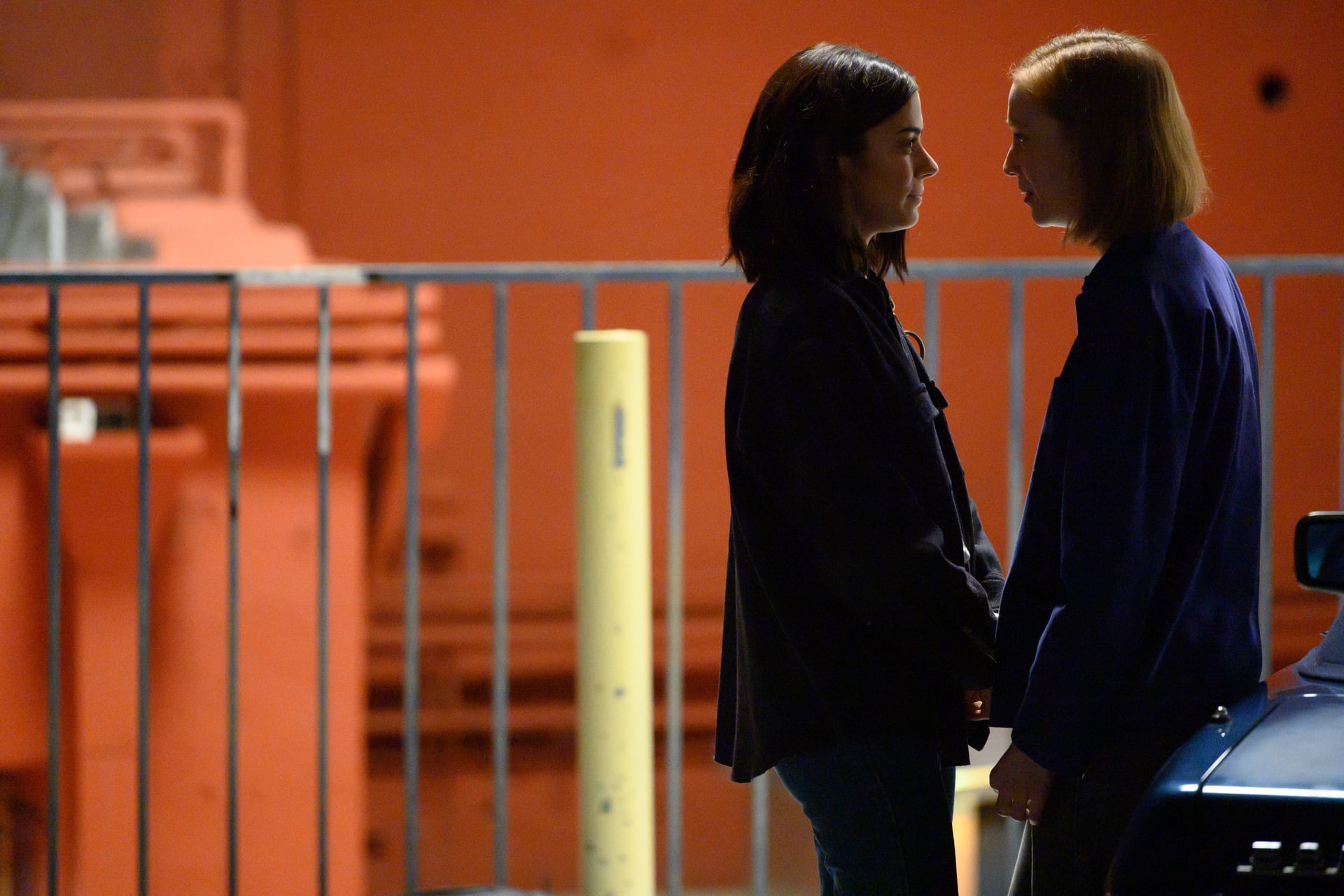
Cultural works such as novels, essays, series, and films are increasingly depicting bisexual lives with greater complexity. This shift reflects a broader societal and generational change that is challenging rigid identity categories and outdated stereotypes. Previously, bisexual individuals were often reduced to simplistic or negative tropes, such as being promiscuous or indecisive. However, contemporary media is moving away from these generalizations. The evolving portrayal acknowledges the nuanced experiences of bisexual people, recognizing their identities as valid and multifaceted. This trend suggests a growing societal acceptance and understanding of diverse sexual orientations. The cultural landscape is adapting to reflect a more inclusive view of human identity and relationships. By presenting more intricate narratives, these cultural products contribute to dismantling long-standing prejudices. The change signifies a move towards a more open-minded and less judgmental society regarding sexual identity.
The evolving cultural representation of bisexuality indicates a societal maturation in understanding diverse identities, moving beyond simplistic, often negative, stereotypes. This shift is driven by generational changes and a broader questioning of fixed identity categories. As media increasingly portrays complex bisexual experiences, it challenges ingrained societal biases and fosters greater inclusivity. This trend highlights the power of narrative in shaping public perception and can be seen as a positive indicator of progress towards more nuanced societal acceptance of LGBTQ+ individuals. The continued evolution of these portrayals will be crucial in further dismantling prejudice and promoting a more equitable social landscape.
AI-generated to prompt reflection — not editorial opinion, not advice, not a statement of fact. How this works.