Curfew Imposed in Habiganj After Clashes Between BNP and NCP Supporters
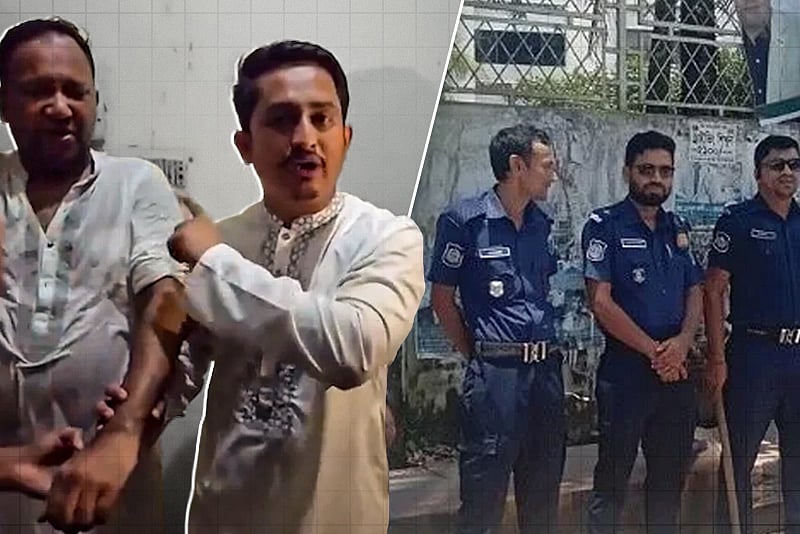
Tensions flared in Habiganj, Bangladesh, following an attack by Chhatra Dal (student wing of BNP) members on the convoy of NCP leaders. To prevent further untoward incidents, the local administration imposed Section 144, a form of curfew, across the district on July 29. This measure was taken in response to planned parallel programs by the BNP and its affiliated organizations, as well as the NCP. The situation escalated after the student wing of the BNP allegedly attacked NCP leaders' vehicles. The imposition of Section 144 aims to maintain public order and avoid potential confrontations between the two political groups during their scheduled events.
The imposition of Section 144 in Habiganj highlights the challenges of managing political competition and preventing violence during electoral or pre-electoral periods. The clash between the BNP's student wing and NCP leaders suggests underlying friction and potential for escalation, driven by competition for political space and influence. Authorities' preemptive measure, while aimed at maintaining order, also restricts freedom of assembly, presenting a trade-off between security and civil liberties. This situation underscores the importance of robust dialogue mechanisms and conflict resolution strategies to de-escalate political tensions and foster a more stable environment for democratic processes, especially as political actors vie for public support in the lead-up to significant national events.
AI-generated to prompt reflection — not editorial opinion, not advice, not a statement of fact. How this works.