Curfew in Mastung After Bus Attack Kills 3, Injures 5; Bridge Blown Up
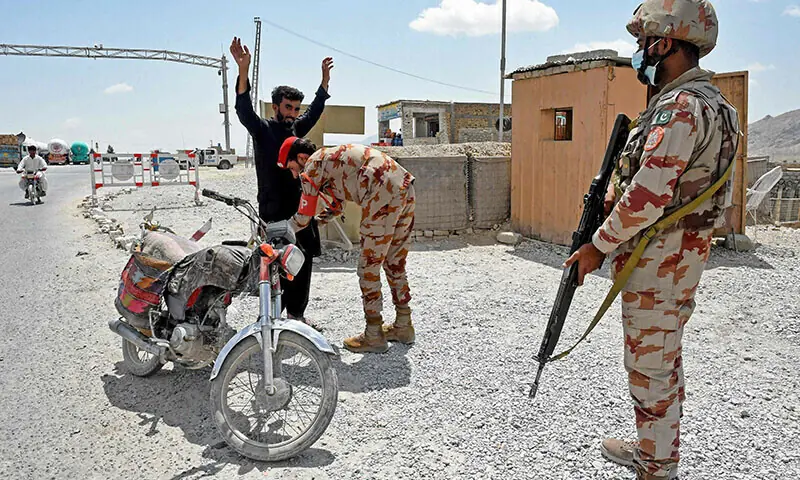
Authorities have imposed an indefinite curfew in the Khud Kocha sub-tehsil of Mastung district, Balochistan, following a violent incident on Wednesday. The curfew, effective from 9 PM, was enacted by the Balochistan Home Department to address a deteriorating security situation and ensure public safety. Residents are prohibited from leaving their homes, and all non-essential movement is banned under threat of strict legal action. The measures were put in place after a passenger bus traveling from Quetta to Karachi was attacked by armed individuals on nearby mountains in the Garo area. This attack resulted in the deaths of three passengers and injuries to five others. Security forces and medical personnel responded to the scene, transporting the victims to the District Headquarters Hospital in Mastung. Meanwhile, a bridge on the Quetta-Karachi National Highway in the Anjari area of Khud Kocha was severely damaged by an explosion early Wednesday morning. Terrorists are reported to have planted explosives under the bridge, causing significant damage and suspending traffic between Quetta and Karachi. While no casualties were reported from the bridge blast, the incident led to long queues of vehicles. Authorities later permitted small vehicles to use alternative routes. These events occurred amidst ongoing counter-terrorism operations; the military reported killing 10 terrorists and arresting two female suicide bombers and their facilitator in Mastung and Surab districts within the past 48 hours. This escalation of violence in Balochistan aligns with a recent security assessment indicating a sharp deterioration in Pakistan's overall security situation in May, with Balochistan being the most affected province, experiencing a 109% increase in terrorist attacks and a surge in kidnappings.
The imposition of an indefinite curfew and the destruction of critical infrastructure highlight the persistent challenges in maintaining security and stability in Balochistan. The dual nature of the attacks—targeting civilian transport and essential communication lines—suggests a strategic effort to disrupt daily life and economic activity, potentially aiming to exert pressure on authorities. The reported success of security forces in neutralizing terrorist elements concurrently with these attacks indicates a dynamic and volatile security environment. This situation underscores the complex interplay between state counter-terrorism efforts and the operational capabilities of non-state actors. The long-term implications involve assessing the sustainability of current security strategies and their impact on regional development and governance, particularly in the context of broader geopolitical influences and the increasing prevalence of asymmetric warfare.
AI-generated to prompt reflection — not editorial opinion, not advice, not a statement of fact. How this works.