Curiosity Rover Discovers First Martian Sulfur Crystals
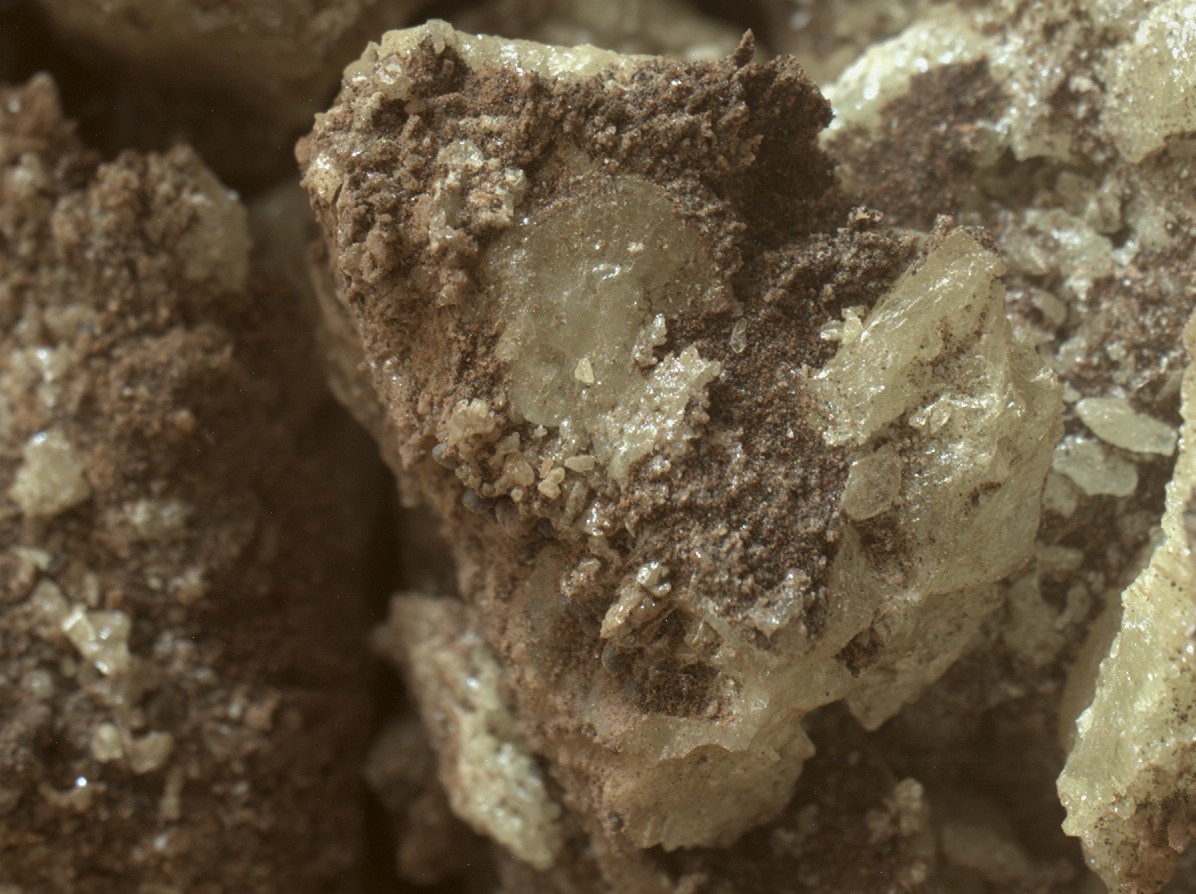
NASA's Curiosity Mars rover has captured the first-ever close-up images of sulfur crystals on the Red Planet. The discovery occurred on May 30, 2024, when the rover inadvertently drove over and crushed a rock. Several days later, Curiosity utilized a camera mounted on its robotic arm to document the findings. These sulfur crystals represent a significant geological find, offering new insights into the chemical composition and history of Mars. The rover's ongoing mission continues to provide valuable data about the Martian environment. Scientists will analyze these images and data to understand the formation processes of these crystals and their implications for past Martian conditions. This discovery underscores the importance of unexpected events in scientific exploration. The rover's ability to observe and record such details enhances our understanding of planetary science.
The discovery of sulfur crystals by the Curiosity rover highlights the serendipitous nature of scientific exploration and the value of persistent data collection. Analyzing these formations can provide crucial clues about Mars' geological past, including the potential for past water activity and the evolution of its atmosphere. Understanding the conditions under which these sulfur crystals formed may inform future missions aimed at searching for signs of past or present life. This finding also underscores the technological capabilities of robotic exploration, enabling detailed in-situ analysis of extraterrestrial materials, which is vital for advancing our knowledge of planetary science and comparative planetology.
AI-generated to prompt reflection — not editorial opinion, not advice, not a statement of fact. How this works.