Curitiba City Council Seats Change for Third Time Due to Vote Recalculations
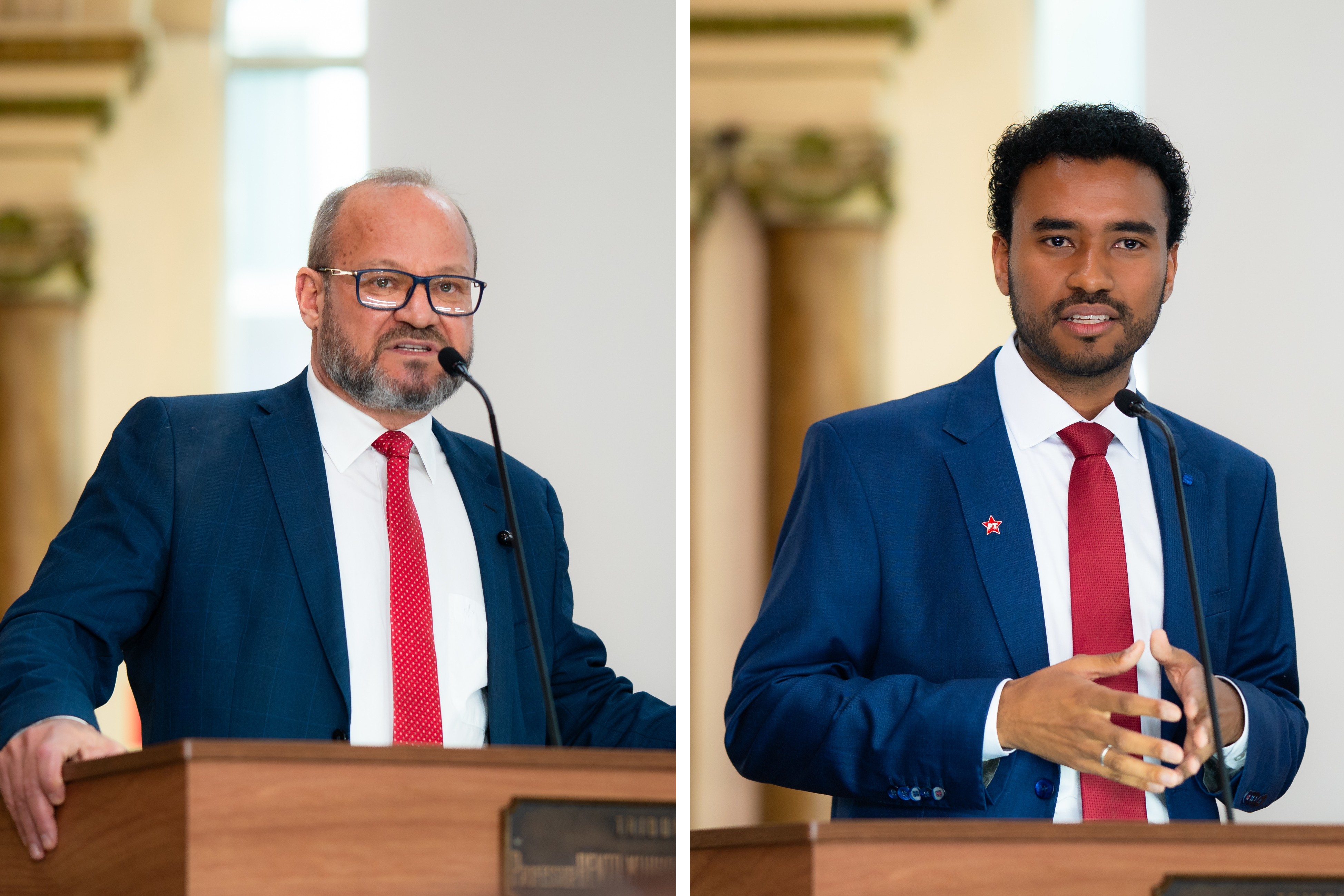
The Curitiba City Council has seen its composition change for the third time in just over two months following a recalculation of votes from the 2024 municipal elections. On Monday, June 3rd, Dalton Borba (Solidariedade) and Matteus Henrique (PT) were sworn in as council members for the 19th Legislature. They replace Bruno Secco (Novo), who ran under the PMB party, and Antonio Carlos do Carmo, known as Toninho da Farmácia (União), who was elected with the PSD. This latest change stems from the annulment of votes for the Brazilian Women's Party (PMB) due to fraud related to the gender quota on its candidate list. The vote annulment altered the distribution of seats among parties, consequently changing the list of elected councilors. The PMB officially changed its name to Democrata at the Superior Electoral Court (TSE) at the end of 2025. Earlier, in late June, the Regional Electoral Court of Paraná (TRE-PR) recognized gender quota fraud within the PMB's slate by a 4-3 vote. The court examined the case of a PMB candidate, "Telma Nogueira do Projeto Debo," who received nine votes. Evidence indicated that while Telma participated in the party convention and selected a campaign number, the party failed to properly register it, leading to another candidate using the same number. Telma campaigned using a number that was not hers, effectively directing any votes she might have received to a male candidate, which the court identified as gender quota fraud. The first composition change occurred in May after the Electoral Justice annulled votes for the Brazilian Labor Renewal Party (PRTB) due to similar gender quota fraud allegations. This led to Toninho da Farmácia losing his seat, with Mauro Bobato taking office. The second change in June involved the annulment of votes for the Democratic Renewal Party (PRD) for gender quota fraud, causing councilor Sidnei Toaldo to lose his seat and Toninho da Farmácia to regain it. The current, third change sees Bruno Secco and Toninho da Farmácia departing, with Borba and Henrique taking their places.
The repeated shifts in the Curitiba City Council's composition highlight systemic vulnerabilities within electoral processes, particularly concerning gender quota regulations and party-level compliance. The recalculations underscore the critical need for robust oversight mechanisms to ensure fair representation and prevent strategic manipulation of electoral rules. Future electoral reforms may need to address party accountability more directly, potentially through stricter penalties for fraud or enhanced transparency in candidate registration and campaign material distribution. The proportional representation system, while intended to ensure broader party representation, can be susceptible to cascading effects from localized fraud, impacting elected officials who may not be directly implicated in the misconduct. This situation prompts consideration of how to insulate legislative bodies from such disruptions while upholding electoral integrity and the principle of proportionality.
AI-generated to prompt reflection — not editorial opinion, not advice, not a statement of fact. How this works.
