Curitiba Launches Direct Flights to Lisbon, Connecting Paraná to Europe
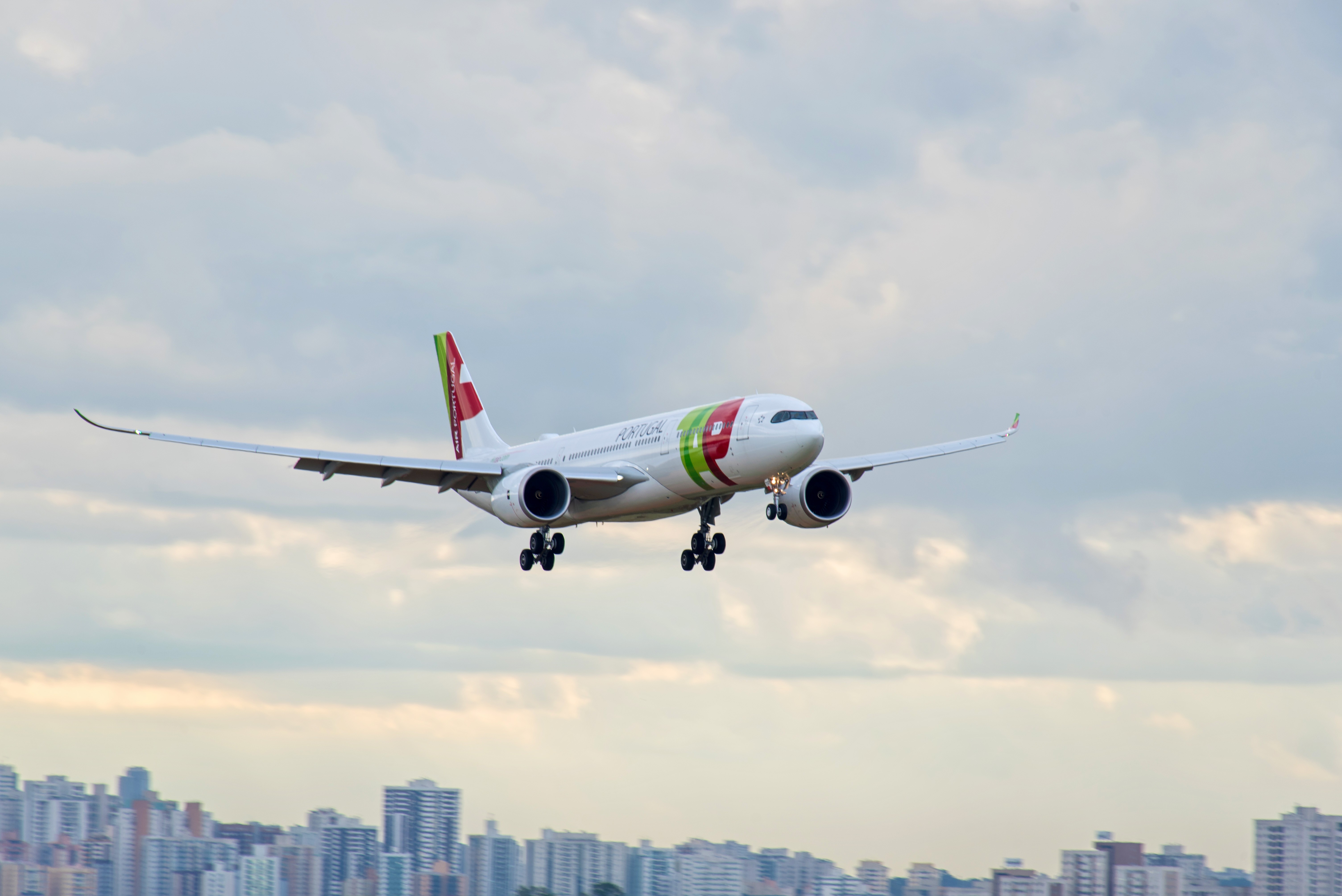
Curitiba, the capital of Paraná, Brazil, has inaugurated its first direct flight connection to Europe. Starting Thursday, February 2nd, TAP Air Portugal will operate a new route linking Curitiba directly with Lisbon, Portugal. This service marks the first regular air link between Paraná and the European continent. The route will feature three weekly flights, scheduled for Tuesdays, Thursdays, and Saturdays, connecting the two capitals. The flights utilize Airbus A330-200 aircraft, each with a capacity of 269 passengers. Ticket sales for this new service began in November 2025, following the initial announcement of the route. The flight from Lisbon to Curitiba is non-stop. However, the return journey from Curitiba to Lisbon includes a technical stop in Rio de Janeiro for refueling, during which passengers remain aboard the aircraft. City officials in Curitiba anticipate that this new direct route will enhance the city's role as a gateway for European tourists to Paraná and boost its competitiveness in the international tourism market. It is also expected to simplify travel for Brazilians heading to Europe, eliminating the need for layovers in other Brazilian capitals and reinforcing Curitiba's position as a significant hub for tourism and business.
The establishment of a direct flight route between Curitiba and Lisbon represents a significant development in regional connectivity, potentially fostering increased tourism and business exchange between Brazil's Paraná state and Europe. From an economic perspective, such direct links can reduce travel time and costs, thereby stimulating trade and investment flows. However, the long-term viability of this route will depend on sustained passenger demand and efficient operational management by TAP Air Portugal, especially considering the technical stop required on the return leg. The strategic positioning of Curitiba as a gateway could also face competition from other major South American hubs. Future success will likely hinge on effective marketing, integration with broader travel networks, and the evolving geopolitical and economic landscape influencing international travel patterns over the next decade.
AI-generated to prompt reflection — not editorial opinion, not advice, not a statement of fact. How this works.