Customer Satisfaction Surveys Under Scrutiny for "Pressure to Score" Tactics
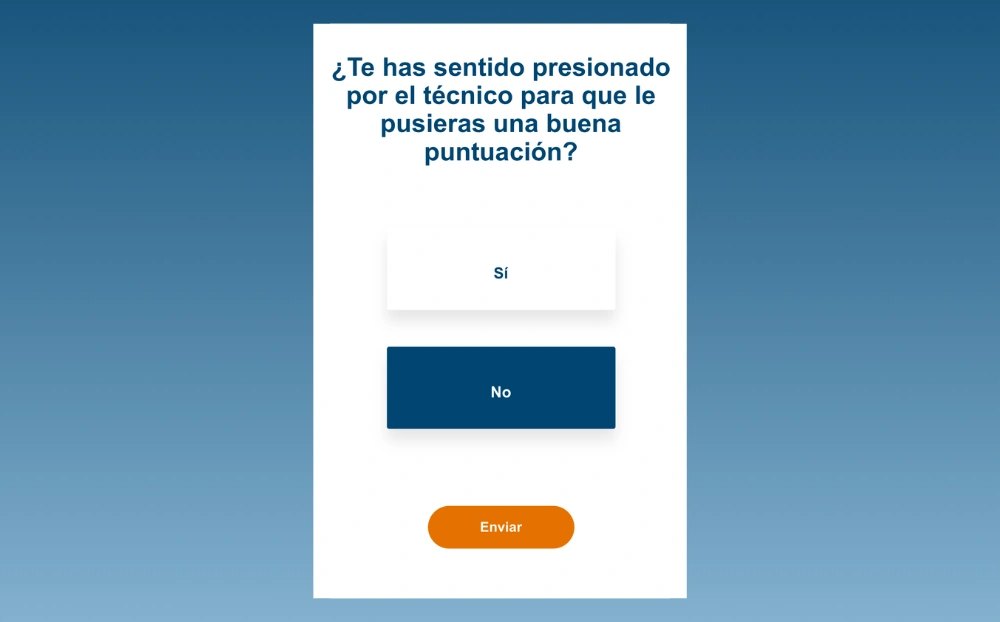
A recent experience highlighted a concerning trend in customer satisfaction surveys, where technicians are reportedly pressured to ensure high scores. The author encountered a technician who emphasized the importance of completing a satisfaction survey, only to find a meta-question asking if the customer felt pressured to give a good rating. Historically, these surveys, often branded as Net Promoter Score (NPS) or Customer Satisfaction (CSAT), were used for quick feedback on service quality. However, they have evolved into metrics where anything less than a 9 or 10 is considered a failure by companies. Some technicians have allegedly warned that failing to receive top marks could jeopardize their jobs, even suggesting customers not complete surveys if the service was unsatisfactory. This practice places significant responsibility on the customer, potentially impacting the livelihoods of service personnel. The inclusion of the meta-question about perceived pressure appears to be an attempt to combat "survey coaching," where employees actively try to influence customer ratings. The author questions the ethics of treating both customers and employees in this manner, contemplating whether to report survey coaching or cease participating in surveys altogether. This situation raises broader questions about the integrity and purpose of customer feedback mechanisms.
The practice of incentivizing high customer satisfaction scores, particularly through pressure on service technicians, distorts genuine feedback and creates an adversarial relationship between companies, employees, and customers. This system, driven by metrics like NPS, incentivizes a focus on score attainment over actual service quality or customer experience. The introduction of meta-questions about pressure suggests an awareness of this systemic flaw, yet the underlying issue of performance being tied to potentially manipulated scores remains. Looking ahead, organizations must consider how AI-driven feedback analysis can be designed to detect and mitigate such biases, ensuring that customer feedback serves its intended purpose of driving genuine service improvement rather than merely inflating scores. A more robust approach would decouple employee evaluation from direct customer scores, focusing instead on objective service delivery standards and customer-reported issues.
AI-generated to prompt reflection — not editorial opinion, not advice, not a statement of fact. How this works.