Customer Vandalizes Self-Service Laundry in Blumenau Over "Smelly Clothes"
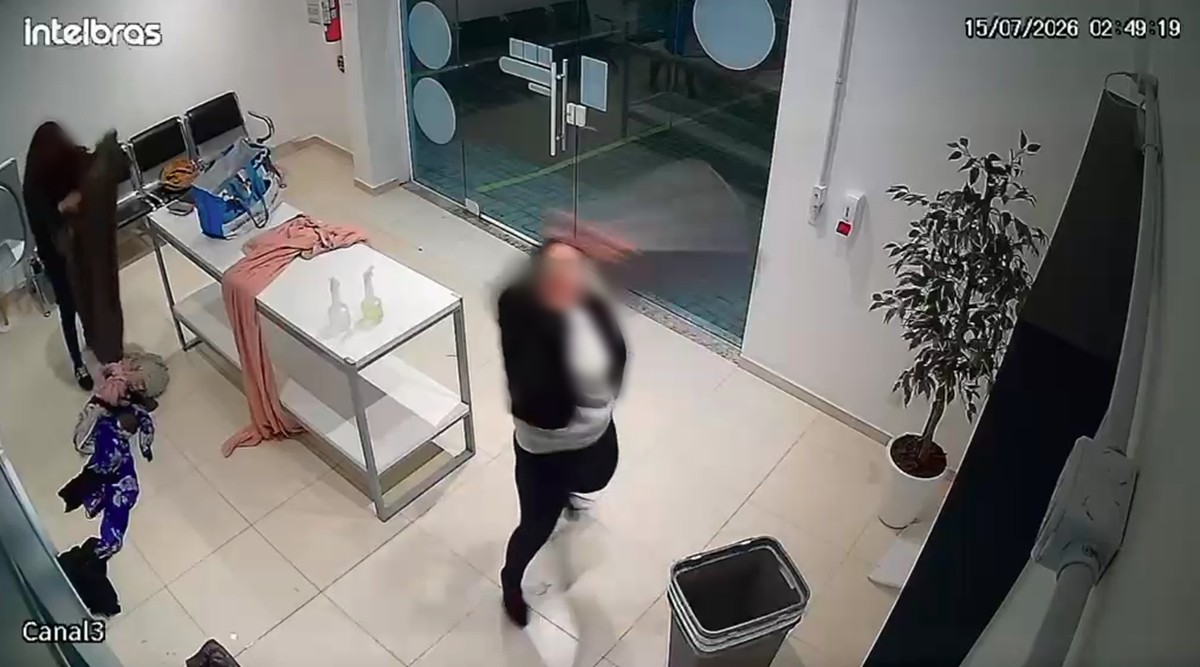
A self-service laundry in Blumenau, Santa Catarina, was vandalized by a customer on Wednesday morning, May 15th. Security footage captured the woman in a fit of rage, throwing laundry baskets, kicking trash cans, and knocking over a plant pot. The owner, Jean Imthurn, stated that the customer claimed her clothes came out of the machine smelling bad. The damage is estimated to be around R$ 5,000. The incident occurred in the Escola Agrícola neighborhood of the 24-hour, self-service establishment. The owner reported that the customer overloaded the washing machine, which he believes led to improper washing and drying. The vandalism resulted in broken baskets, damage to a drywall partition, bent trash cans, ruined light fixtures, and broken tables. The owner has filed a police report and is consulting a lawyer for legal action. Another individual was present, calmly folding clothes during the destructive episode, but their relationship to the vandal is unknown. Attempts to reach the customer for comment were unsuccessful.
This incident highlights a breakdown in customer-service interaction, potentially exacerbated by the self-service nature of the business. The customer's extreme reaction, involving significant property damage, suggests a disproportionate response to a perceived service failure, possibly stemming from frustration with the machine's performance or prior negative experiences. The owner's recourse through legal channels is standard, but the event also points to potential areas for business improvement, such as clearer instructions on machine usage, enhanced customer support availability, or a more accessible dispute resolution process for minor issues. In the context of evolving consumer expectations and the increasing reliance on automated services, businesses must anticipate and mitigate the risks associated with user error and dissatisfaction to prevent such escalations.
AI-generated to prompt reflection — not editorial opinion, not advice, not a statement of fact. How this works.