Cycling advocates protest Budapest's unequal transport spending
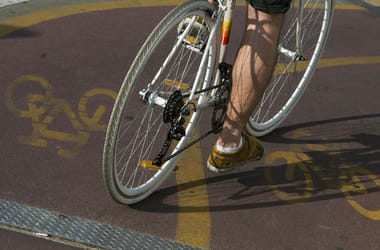
The president of the Hungarian Cycling Club, Gábor Kürti, has expressed strong disapproval regarding Budapest's transportation budget allocation. He argues that disproportionately less funding is being directed towards cycling infrastructure development compared to other transport projects. Kürti believes this disparity indicates that cyclists are considered a low priority, despite the existence of an accepted strategy for cycling development. He suggests that even a fraction of the resources allocated to public transport and car infrastructure could be sufficient to establish the city's main cycling network. This network, he contends, could be built without diverting funds from other essential transport upgrades.
The situation in Budapest highlights a common tension in urban planning between established infrastructure priorities and emerging mobility solutions. While the city may face constraints on capital investment, the allocation of resources reflects underlying policy choices about which modes of transport are favored. The cycling club's concerns point to a potential disconnect between stated strategic goals and actual budgetary commitments. Over the next decade, cities worldwide will increasingly grapple with balancing the needs of diverse user groups and integrating sustainable transport options. A robust cycling network can contribute to public health, reduced emissions, and improved urban livability, but its development requires consistent political will and equitable financial backing alongside other essential transit systems.
AI-generated to prompt reflection — not editorial opinion, not advice, not a statement of fact. How this works.