Cycling and Climate: Tour de France Faces Challenges from Wildfires and Heat
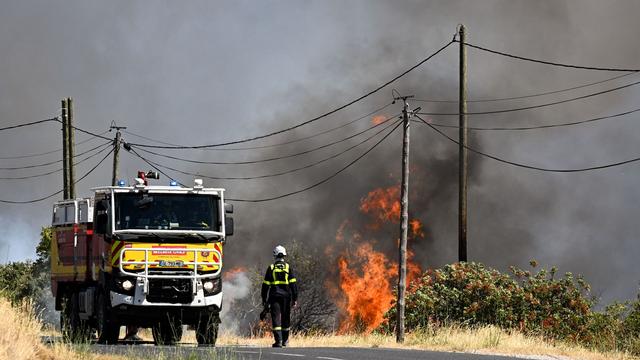
The Tour de France is increasingly being impacted by the effects of climate change, specifically wildfires and extreme heat. These environmental factors are not only posing significant risks to the health and safety of cyclists but also affecting the experience of fans attending the event. The intense heat can lead to dehydration and heatstroke for riders, while smoke from wildfires can impair visibility and respiratory health. Organizers are facing growing pressure to adapt routes and schedules to mitigate these dangers. The traditional summer timing of the race, coinciding with peak wildfire season in many regions, highlights a growing conflict between major sporting events and environmental realities. This situation raises questions about the long-term sustainability of outdoor endurance events in a warming world. The challenges faced by the Tour de France serve as a microcosm of broader societal issues related to climate adaptation and the need for proactive planning.
The increasing intersection of major sporting events like the Tour de France with climate-induced phenomena such as wildfires and extreme heat underscores a systemic challenge. As global temperatures rise, traditional event scheduling and route planning may become untenable, necessitating a re-evaluation of logistical frameworks. This situation prompts consideration of how large-scale public events can adapt to environmental volatility, balancing participant safety and fan experience with the operational demands of the competition. The tension between established sporting traditions and the imperative for climate resilience suggests a need for innovative risk management strategies and potentially a recalibration of event calendars to align with evolving environmental conditions over the next decade.
AI-generated to prompt reflection — not editorial opinion, not advice, not a statement of fact. How this works.