Cyclist's death: Police investigate women for manslaughter after photo stop on bike lane
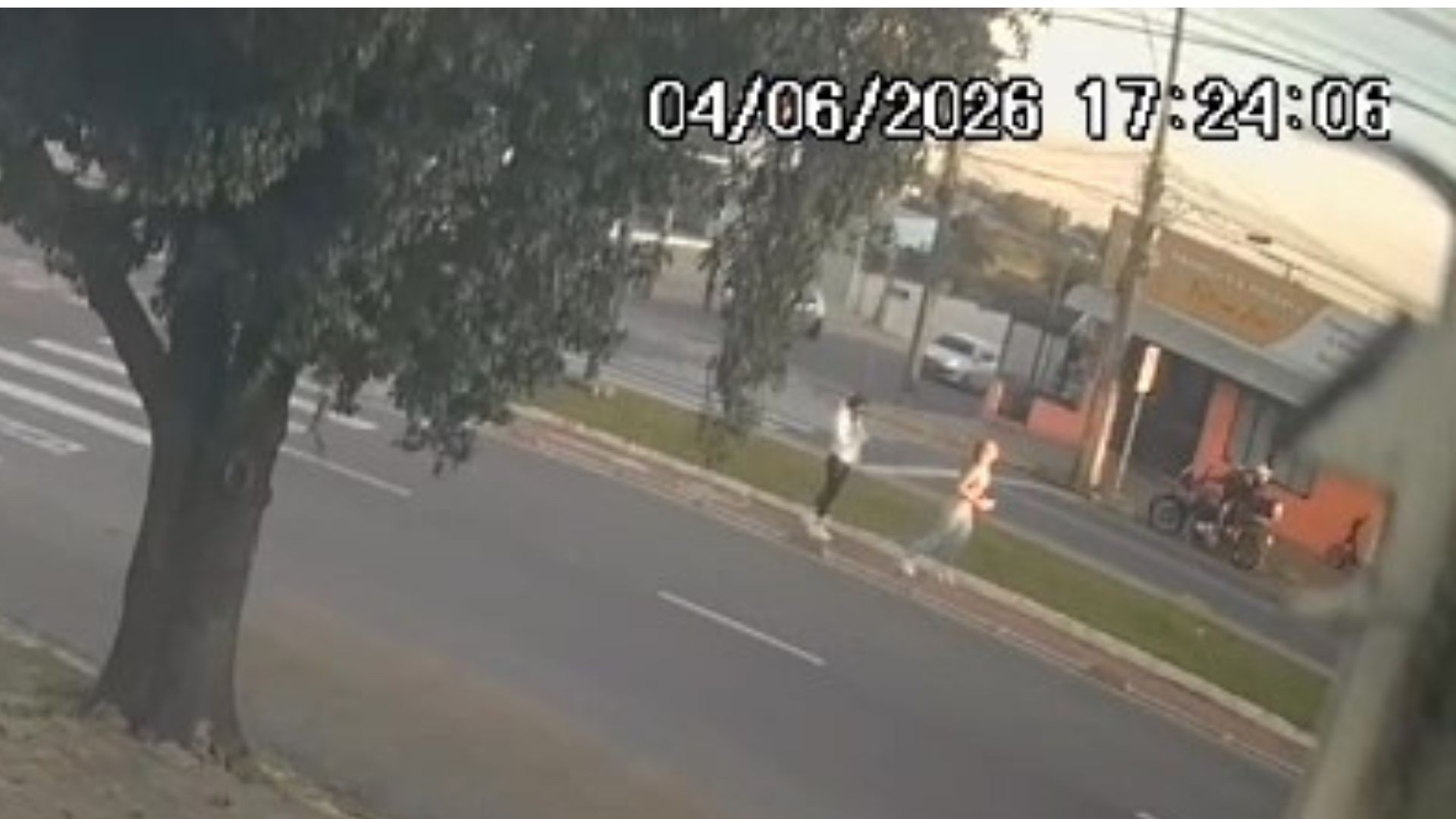
A cyclist, 54-year-old Cleocir Jorge dos Santos, died on June 4th in Passo Fundo, Rio Grande do Sul, after being struck by a car. He was riding on a designated bike lane when he collided with two women who were reportedly taking photos, causing him to lose balance and fall into the path of oncoming traffic. The police are investigating the two women for involuntary manslaughter, as they were occupying the space reserved for cyclists. Authorities have obtained surveillance footage and are awaiting forensic reports to conclude the inquiry. Witnesses have corroborated that the women's actions on the bike lane contributed to the cyclist's fall and subsequent death. The women, residents of Carazinho, allegedly stopped on the bike lane to take pictures for social media. The investigating officer, Daniela Mineto, emphasized that bike lanes are not intended for pedestrian use. Family members of the deceased stated that Cleocir had previously expressed concerns about pedestrians using the bike lane, citing frequent near-accidents. The municipality of Passo Fundo has over 37 km of bike lanes, with varying degrees of separation from pedestrian walkways. In older sections, the division between bike lanes and sidewalks is often unclear, increasing the risk of accidents. The city's Public Security Secretary, Tadeu Trindade, reiterated that pedestrians should use sidewalks when a dedicated pedestrian path is not available.
This incident highlights a critical infrastructure and behavioral conflict: the use of public space and the enforcement of traffic regulations. The investigation into involuntary manslaughter for the women's actions points to a potential legal framework for addressing negligent endangerment in shared or misused public thoroughfares. The case also underscores the challenges of urban planning, particularly in older infrastructure where clear demarcation between cyclist and pedestrian zones may be lacking, potentially creating systemic risks. As urban environments become more crowded and digital life encourages public documentation, the friction between intended infrastructure use and user behavior is likely to escalate. This situation prompts consideration of how public space design, user education, and regulatory enforcement can adapt to prevent future tragedies, especially in the context of evolving social media practices and increasing reliance on cycling for health and transport.
AI-generated to prompt reflection — not editorial opinion, not advice, not a statement of fact. How this works.