Cyclists filmed using slingshots to shoot stones at caimans in Pantanal, Brazil
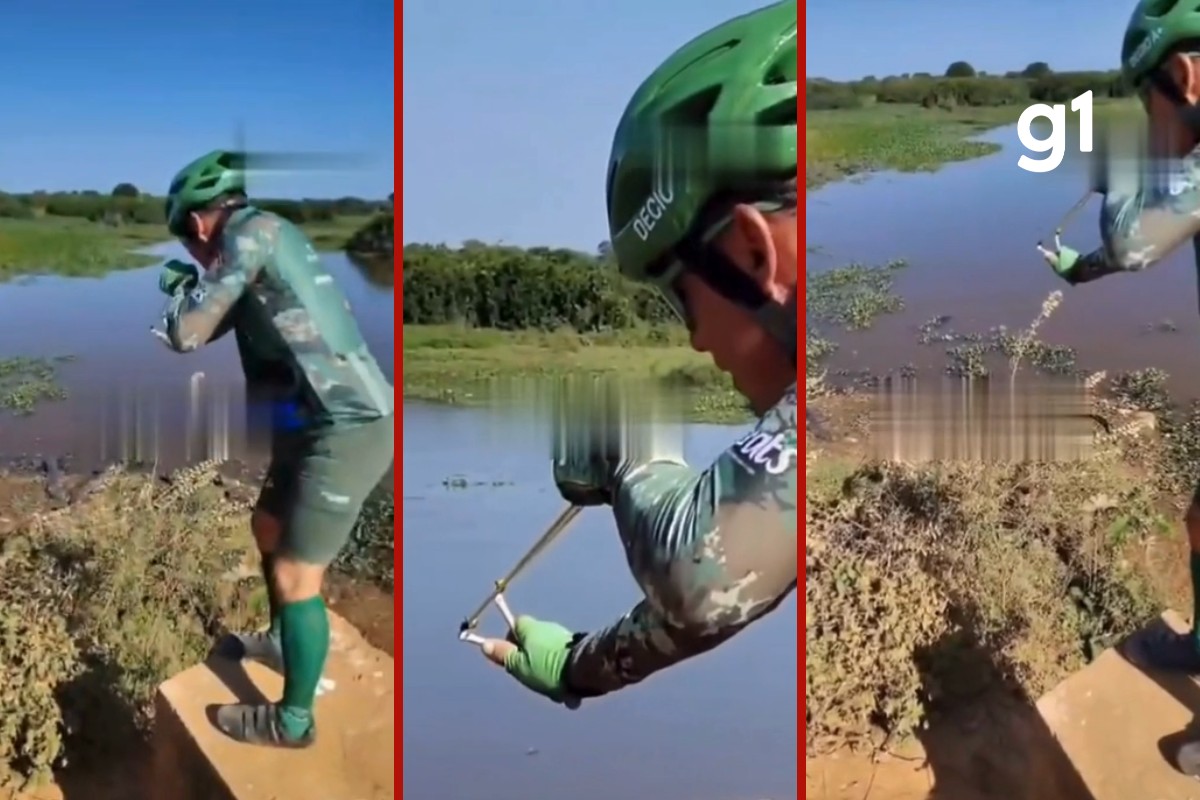
Two unidentified cyclists were filmed using slingshots to shoot stones at caimans during an ecological tour in the Pantanal region of Mato Grosso, Brazil. The incident, captured by the participants themselves, occurred on Sunday, July 26, during the Cerrado to Pantanal Cycle Tourism Circuit. The event, organized by Pedal do Cachorrão and Instituto Brasil, was promoted as a blend of sport, nature, adventure, and contemplation. The video shows one cyclist repeatedly firing stones at the reptiles with a slingshot, with another participant filming the act. The cyclist who fired the shots can be heard laughing and claiming to have hit one of the caimans in the mouth. This behavior may constitute an environmental crime. The State Secretariat of Environment (Sema-MT) has forwarded the case to the Specialized Environmental Police Station (Dema). Instituto Brasil issued a statement condemning the cyclists' actions, calling it an isolated incident incompatible with the project's principles. The institution has taken administrative measures, prohibiting the identified participants from future events organized by them. They clarified that Pedal do Cachorrão was merely a service provider for the event and is cooperating with authorities. A similar incident occurred recently in Cuiabá, where men were seen using a wooden plank to drive away a caiman in a public park. Authorities recommend maintaining distance and contacting environmental agencies when encountering wildlife in public areas, rather than intervening directly. The law in Brazil, specifically Article 32 of the Environmental Crimes Law, prohibits cruelty and mistreatment of wild animals, carrying potential criminal and administrative sanctions.
The incident highlights a concerning disregard for wildlife and environmental regulations among some participants in organized outdoor recreational activities. While the organizers have distanced themselves and taken punitive action against the individuals involved, the event raises questions about pre-event education and enforcement of ethical conduct within such circuits. The legal framework in Brazil clearly defines such actions as crimes, yet the perpetrators acted with apparent impunity, suggesting a potential gap in oversight or awareness. Moving forward, organizers of ecotourism and adventure sports should consider implementing stricter codes of conduct, mandatory educational components on wildlife interaction, and more robust monitoring systems to prevent such incidents, ensuring that the pursuit of adventure does not come at the expense of ecological integrity. This situation underscores the ongoing challenge of balancing human recreational interests with the imperative of wildlife conservation in increasingly accessible natural environments.
AI-generated to prompt reflection — not editorial opinion, not advice, not a statement of fact. How this works.