Cyclists' Union Defends Pogacar and Vingegaard Over Nighttime Doping Tests, Calls for Stronger Anti-Doping Efforts
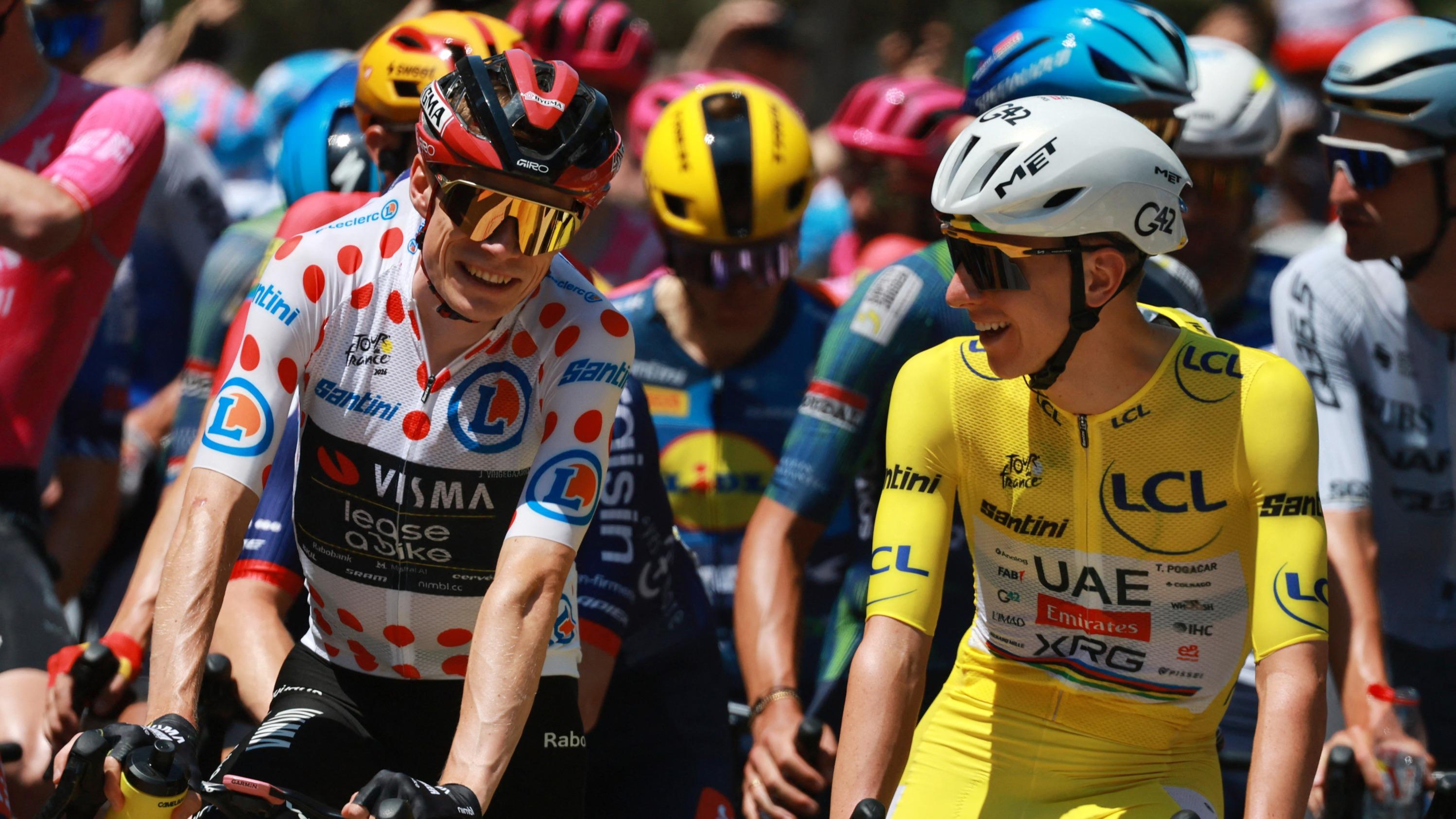
The Cyclists' Alliance (CPA) has spoken out against the practice of conducting anti-doping controls on professional cyclists in the middle of the night. This statement comes nearly two days after Jonas Vingegaard and Tadej Pogacar, prominent riders in the Tour de France, underwent such tests before the 15th stage of the race. The union has denounced these nocturnal controls, advocating for a change in current procedures. The CPA is calling for an anti-doping system that is "always more effective." This move by the cyclists' union highlights a growing concern among athletes regarding the methods employed in anti-doping enforcement. The union's stance suggests a desire for more transparent and less disruptive testing protocols that still maintain the integrity of the sport. The specific details of the testing procedures and the exact timing remain central to the union's concerns.
The Cyclists' Alliance's intervention highlights a systemic tension between the imperative for rigorous anti-doping measures and the rights and well-being of athletes. While the integrity of professional cycling relies on credible doping controls, the timing and nature of these tests can impact athlete performance and recovery, raising questions about procedural fairness and efficacy. The call for "always more effective" anti-doping suggests a need for innovation in testing methodologies that balance thoroughness with athlete welfare, potentially exploring less intrusive methods or optimized scheduling. This situation underscores the ongoing challenge of adapting regulatory frameworks to technological advancements and the evolving demands of elite sports in the coming decade, particularly as AI and data analytics offer new possibilities for both performance enhancement and detection.
AI-generated to prompt reflection — not editorial opinion, not advice, not a statement of fact. How this works.