Cyclospora Outbreak Linked to Iceberg Lettuce Now Affects Nine U.S. States
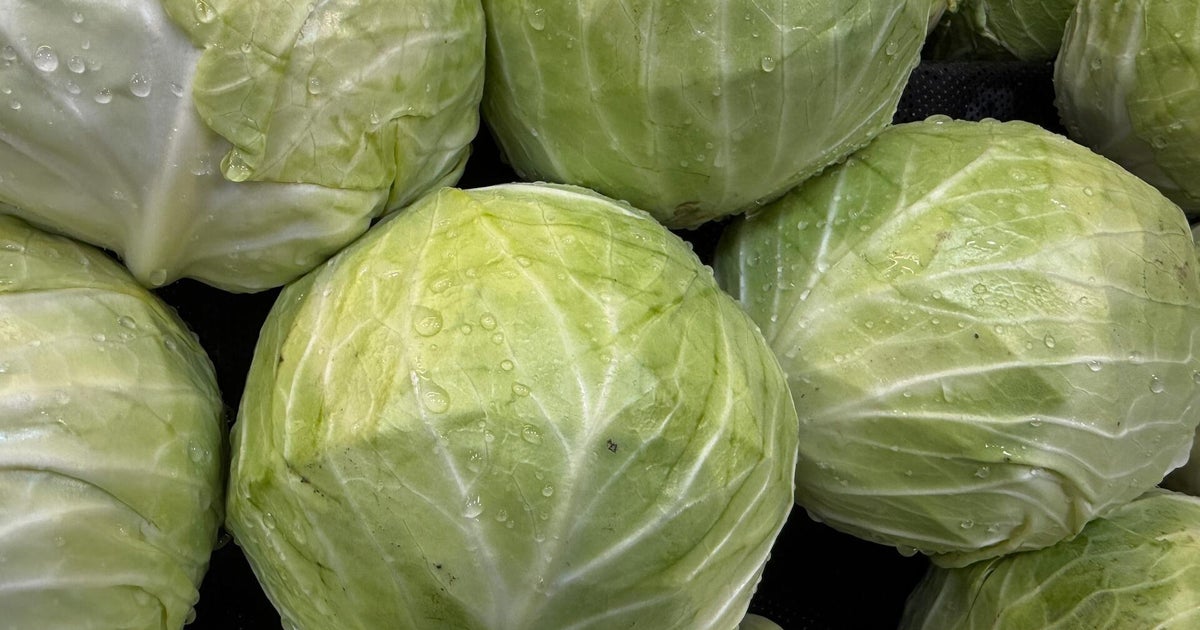
A cyclospora outbreak, initially linked to iceberg lettuce, has now expanded its reach to encompass nine states across the United States. The severity and spread of this foodborne illness have prompted public health officials to issue warnings and investigate the source more thoroughly. Dr. Natasha Bagdasarian, Michigan's chief medical executive, has provided further details on the situation, highlighting the public health concerns associated with the outbreak. The investigation aims to identify the specific farms or distributors responsible for the contaminated lettuce to prevent further cases. Health departments in affected states are monitoring the situation closely and advising consumers on safe food handling practices. The Centers for Disease Control and Prevention (CDC) is also involved in tracking the outbreak and coordinating response efforts. This incident underscores the importance of rigorous food safety standards throughout the supply chain. Public health officials are working to contain the spread and ensure the safety of the food supply. The number of reported cases continues to be monitored as the investigation progresses.
The expansion of the cyclospora outbreak across nine states, linked to iceberg lettuce, highlights systemic vulnerabilities in food supply chain traceability and safety protocols. Public health agencies face the ongoing challenge of rapidly identifying and isolating contamination sources amidst complex distribution networks. This event prompts reflection on the efficacy of current regulatory oversight and the potential for enhanced technological solutions, such as blockchain or advanced tracking systems, to mitigate future risks. The incident also underscores the critical role of inter-state cooperation and swift information dissemination in managing public health crises. Future preparedness may involve more proactive surveillance and stricter adherence to agricultural best practices to safeguard consumer health against foodborne pathogens.
AI-generated to prompt reflection — not editorial opinion, not advice, not a statement of fact. How this works.