Cyclospora Parasite: How it Infects and Reproduces in the Human Gut
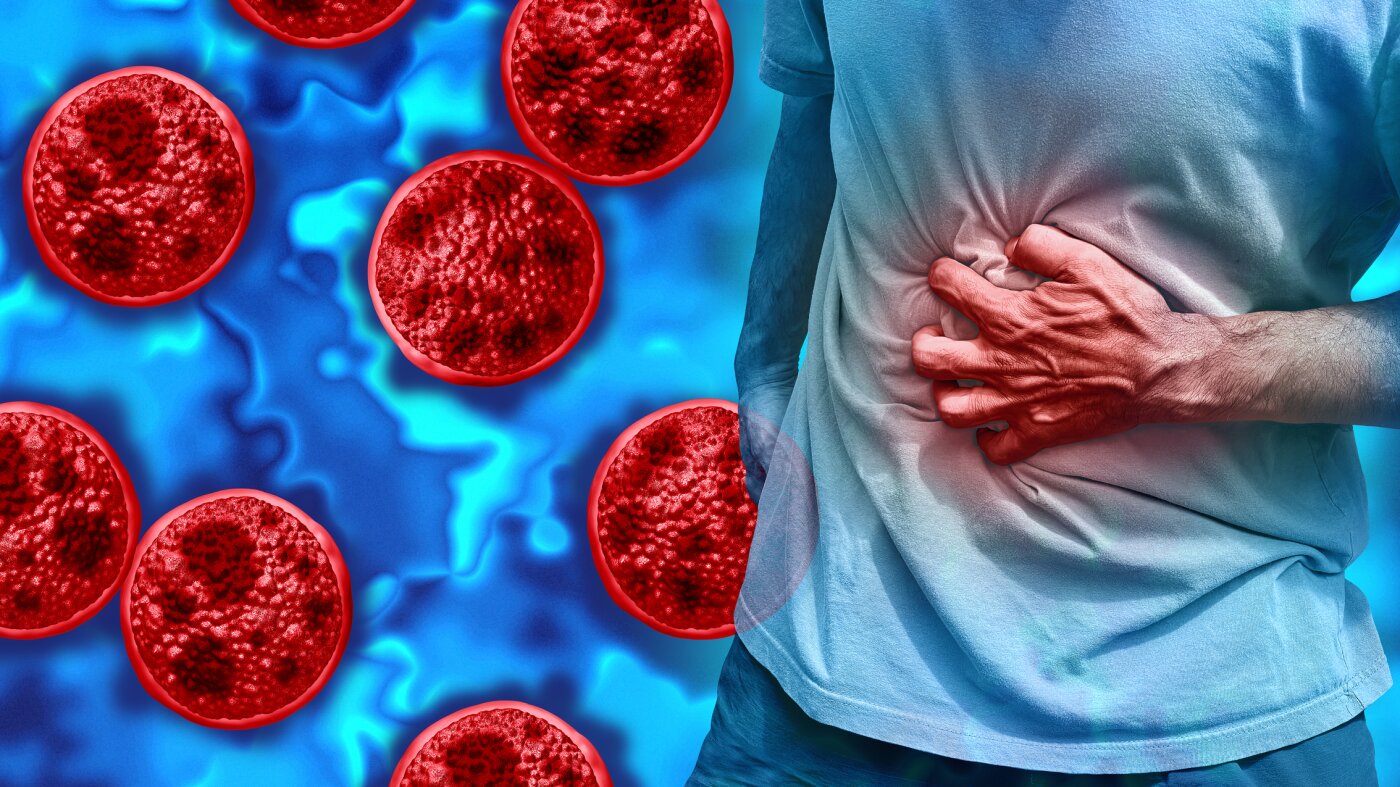
Cyclospora, a parasite responsible for sickening thousands across the U.S. this summer, requires a specific period within the human digestive tract to complete its reproductive cycle. The parasite's lifecycle involves stages both inside and outside the human body. Infection typically occurs through the consumption of contaminated food or water. Once ingested, the Cyclospora oocysts travel to the small intestine, where they excyst and release sporozoites. These sporozoites then invade the intestinal cells, a process known as intracellular parasitism. Within these cells, the parasite undergoes asexual reproduction, multiplying and developing into merozoites. These merozoites then infect more intestinal cells, continuing the cycle. After a period of development, the parasite matures into gametocytes, which fuse to form oocysts. These oocysts are then shed in the feces. Crucially, these oocysts are not immediately infectious; they require a period of maturation in the environment, often in warm, moist soil or water, before they can cause infection in another host. This maturation process outside the human body is essential for the parasite's transmission and explains why symptoms may not appear immediately after exposure.
The recent widespread Cyclospora infections highlight vulnerabilities in food and water safety systems. The parasite's lifecycle, requiring environmental maturation before becoming infectious, suggests that contamination points can occur at various stages of food production and distribution. Understanding these transmission pathways is critical for developing more effective public health interventions. Future strategies may need to focus on enhanced surveillance of agricultural products and water sources, alongside improved consumer education regarding food handling and hygiene. The economic impact of such outbreaks, including healthcare costs and lost productivity, underscores the importance of robust regulatory oversight and proactive risk management in the food supply chain.
AI-generated to prompt reflection — not editorial opinion, not advice, not a statement of fact. How this works.