Cyclosporiasis Outbreak: Michigan Faces Largest Outbreak of Diarrhea-Causing Parasite
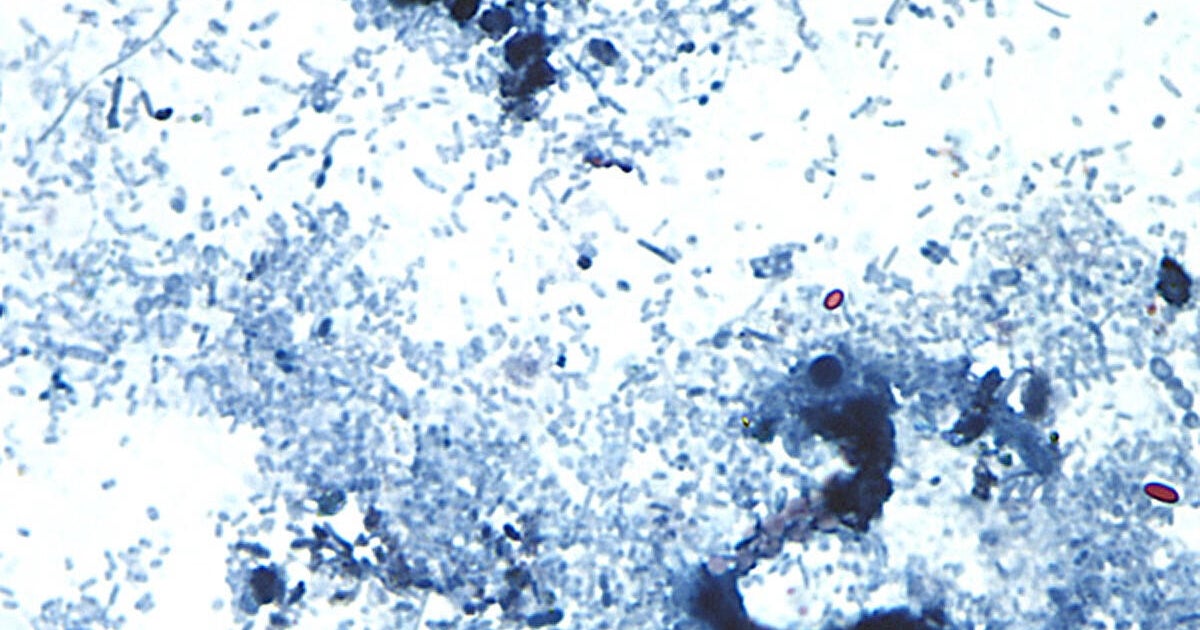
Michigan is currently grappling with its most significant outbreak of cyclosporiasis, a parasitic infection known for causing severe diarrhea. The parasite, Cyclospora cayetanensis, is typically spread through contaminated food or water. Symptoms of infection often include watery diarrhea, loss of appetite, stomach cramps, bloating, gas, nausea, and fatigue. In some cases, vomiting can also occur. While the current outbreak is concentrated in Michigan, the parasite has been reported in several other states across the US. Public health officials are investigating the source of the contamination to prevent further spread. Cyclosporiasis is treated with antibiotics, and most individuals recover fully with prompt treatment. However, the illness can be prolonged and may recur if not adequately treated. Prevention strategies include thorough handwashing and consuming produce that has been carefully washed.
The current cyclosporiasis outbreak highlights vulnerabilities in food supply chains and public health surveillance systems. The parasitic infection, spread through contaminated sources, underscores the need for robust testing and tracing mechanisms from farm to table. As climate patterns shift and global food trade intensifies, the potential for such outbreaks may increase, necessitating proactive adaptation in agricultural practices and regulatory oversight. Public health agencies face the challenge of rapid identification and containment, balancing immediate response with long-term strategies to mitigate future risks. This event prompts consideration of how technological advancements in food safety and data analytics could enhance early detection and response to foodborne illnesses.
AI-generated to prompt reflection — not editorial opinion, not advice, not a statement of fact. How this works.